Private Jet Charter
Private Jet Hong Kong to Tokyo
Hong Kong-Tokyo connects two major Asian centers with strong business ties. Private aviation serves executives in finance, technology, and trade, while leisure travelers access Japan's unique culture, cuisine, and shopping from Hong Kong's gateway position.
- ARGUS Certified
- No Commitment
- Instant Quotes
Departure
Destination
Date
Time
Passengers

Written by Sophie Marchant · Senior Business Aviation Editor · 9+ years aviation experience
Reviewed by Thomas Werner · Aviation Operations Reviewer
Last updated
- Business aviation market research specialist
- Private jet charter pricing and route analysis
- European airport and FBO editorial research
- Luxury travel editorial experience
Transparent Pricing
Hong Kong to Tokyo Private Jet Prices
Compare executive jet and business jet charter options for this route. All prices include fuel, crew, and standard handling fees.
Midsize Jet
7-9 passengers • 4,500 km range
Estimated one-way price
e.g. Citation XLS, Hawker 800, Learjet 60
- WiFi
- Full Galley
- Stand-up Cabin
- Lavatory
Heavy Jet
10-16 passengers • 7,000 km range
Estimated one-way price
e.g. Challenger 605, Gulfstream G450, Legacy 650
- WiFi
- Full Galley
- Bedroom Option
- Shower Available
Ultra Long Range
12-19 passengers • 12,000+ km range
Estimated one-way price
e.g. Gulfstream G650, Global 7500, Falcon 8X
- WiFi
- Multiple Cabins
- Master Suite
- Full Kitchen
Prices shown are estimates based on typical market rates. Final pricing may vary depending on aircraft availability, specific dates, and additional services. Contact us for an exact quote tailored to your requirements.
Browse our complete fleetAccepted Payment Methods
VAT not applicable on international charter flights • All currencies accepted
Why Executives Choose
Hong Kong → Tokyo
Save 3h Per Trip
No security lines, no boarding delays. Arrive 15-20 minutes before departure and maximize your time.
100% Confidential Meetings
Your entire team, your private cabin. Discuss sensitive matters freely without eavesdroppers.
Maximize Productivity
Fast WiFi, power outlets, full workspace. Turn flight time into productive work time.
Why Fly Private?
Private Jet vs. Commercial Flight
See exactly how flying private from Hong Kong to Tokyo compares to commercial airlines.
Time Saved Per Trip
3h 10min
Skip the security lines, boarding queues, and baggage claim entirely
36+
Hours saved per year
(12 trips)
5
Full work days recovered
Ready to experience the difference?
View Pricing OptionsRoute Information
Hong Kong & Tokyo Airport Information
Private jet terminals and FBO facilities for your VIP flight between Hong Kong and Tokyo.
Departure
Hong Kong
Hong Kong
Arrival
Tokyo
Japan
Non-Stop with Midsize Jets and Above
This route can be flown non-stop with midsize, heavy, and ultra long-range jets. Light jets would require a fuel stop.
Flight Path Visualization
Hong Kong to Tokyo Route Map
VHHH → RJTT · 2,885 km · 4h 15m
Airport Information
Airport Access & Ground Transportation
Private terminals, FBO services, and transportation options
Hong Kong Airport
Hong Kong Intl (VHHH)
Getting There
City center accessible
Transfer time varies by traffic
FBO Services

Tokyo Airport
Tokyo Haneda Airport (RJTT)
Getting There
City center accessible
Transfer time varies by traffic
FBO Services
Ready to Book Your Flight?
Get instant quotes from certified operators
Hong Kong → Tokyo
Private Jet Hong Kong to Tokyo
Charter a private jet from Hong Kong to Tokyo. 2,885km direct flight in just 4h 15min. Compare prices from certified operators and book your executive jet today.
Flight Time
4h 15min
Direct flight
Distance
2,885 km
1,793 miles
From Price
€23,000
One-way, excl. taxes
Route Statistics
Flight Time
4h 15min
Distance
2,885 km
From Price
€23,000
For this 2885km route, we recommend:
Midsize Jets
Why Choose a Private Jet for This Route?
Time Savings: Skip security lines and arrive just 15-20 minutes before departure. No connections, no delays.
Why Charter a Private Jet from Hong Kong to Tokyo
The Hong Kong–Tokyo corridor is one of Asia-Pacific's most commercially saturated routes, with dozens of scheduled departures daily funnelling tens of thousands of passengers through shared terminals. For executives, family offices, and creative professionals, a private departure from Hong Kong International (VHHH) to Tokyo Haneda (RJTT) sidesteps this entirely — delivering city-centre-to-city-centre convenience that no airline product can genuinely match at this distance. At 2,885 km, the route sits squarely in heavy-jet territory, enabling non-stop service with full cabin flexibility, onboard meeting space, and the ability to depart on your schedule rather than an airline's. Whether the purpose is a board meeting in Marunouchi, a private cultural visit, or attendance at a high-profile Tokyo event, the time and discretion advantages compound quickly once door-to-door travel is considered in full.
Flight time and distance
The great-circle distance between VHHH and RJTT is 2,885 km (approximately 1,793 miles), with a direct private flight taking roughly 4 hours 15 minutes depending on aircraft type, winds, and routing assigned by air traffic control. Commercial alternatives nominally offer similar block times, but factor in the requirement to arrive at least 90 minutes before departure at a congested international terminal, immigration queues at both ends, and the transfer from Narita — should your airline use it — and the true door-to-door gap widens considerably. There is no viable rail or road alternative across the East China Sea, making air the sole practical mode and private aviation the most time-efficient expression of it.
Departure airports
Hong Kong International Airport (VHHH) on Lantau Island is the sole commercial and business aviation gateway for the region, operating on a 24-hour basis. The airport hosts dedicated business aviation facilities with ramp access separated from the main terminal, enabling discreet, fast-track departures without exposure to commercial passenger flows. Slots at VHHH require advance coordination — the airport operates under capacity management and business aviation movements must be coordinated through the Civil Aviation Department of Hong Kong, particularly during peak trade and financial periods when demand from the finance community surges. Pre-positioning the aircraft the evening before a morning departure is a reliable mitigation strategy.
Arrival airports
Tokyo Haneda Airport (RJTT) is the preferred business aviation destination within the Tokyo metropolitan area, offering proximity to central Tokyo that Tokyo Narita (RJAA) simply cannot match — Haneda sits roughly 14 km from the city centre versus Narita's 60-plus kilometres. Business aviation at RJTT is managed through specific handling facilities on the international side, and slot access is tightly controlled by Japan's Ministry of Land, Infrastructure, Transport and Tourism (MLIT). Operators must secure slots well in advance, particularly during peak periods, and coordination with a Japan-experienced ground handler is strongly advisable. Customs and immigration for private arrivals is processed efficiently when paperwork — including advance passenger information — is filed correctly ahead of landing.
Indicative pricing
Best time to fly
Demand on this route follows Hong Kong's financial calendar closely, with peaks around results seasons in February and August, major art events such as Art Basel Hong Kong in March, and the autumn deal-making period from September through November. On the Tokyo side, the Cherry Blossom season in late March and early April draws significant private aviation interest, as does the autumn foliage period and major international sporting and cultural events. Japan's Golden Week — the cluster of national holidays spanning late April into early May — creates a sharp spike in both outbound and inbound private movements, with slots and aircraft becoming scarce and pricing reflecting that pressure. Off-peak windows in June and mid-January can offer meaningfully softer rates, and empty-leg opportunities on this corridor do arise, particularly when aircraft are repositioning ahead of or following major events, rewarding flexible travellers willing to move at short notice.
Recommended aircraft
The Gulfstream G650ER is exceptionally well-suited to this route, offering a cabin that supports both productive work and genuine rest across the 4-hour-15-minute sector, with range reserves that handle headwinds without compromise. The Bombardier Global 6500 is an equally compelling option, pairing a wide, stand-up cabin with outstanding dispatch reliability and the kind of range margins that make non-stop Hong Kong–Tokyo straightforward in virtually all seasonal wind conditions. For groups prioritising cost efficiency without sacrificing a true intercontinental cabin, the Dassault Falcon 7X offers a three-engine safety profile, excellent fuel efficiency relative to its cabin class, and full non-stop capability on this sector with comfortable reserves.
Operator and safety standards
When selecting an operator for this route, the due-diligence framework matters as much as the aircraft itself. Reputable charter operators active on Hong Kong–Japan services hold safety ratings from independent audit bodies including ARGUS International, Wyvern Wingman, and IS-BAO certification — each representing a meaningful independent review of operational procedures, crew training standards, and maintenance practices. On the regulatory side, operators based in Hong Kong fall under the oversight of the Hong Kong Civil Aviation Department (HKCAD), while Japan's aviation operations are governed by the Civil Aviation Bureau of Japan (JCAB) under the Ministry of Land, Infrastructure, Transport and Tourism. Any operator conducting commercial air transport on this route must hold the appropriate Air Operator Certificate and comply with both jurisdictions' requirements for foreign aircraft operations. Verifying these credentials before booking is straightforward and strongly recommended.
Hong Kong
Hong Kong Intl (VHHH)
offers premium FBO facilities for private aviation.
Tokyo
Tokyo Haneda Airport (RJTT)
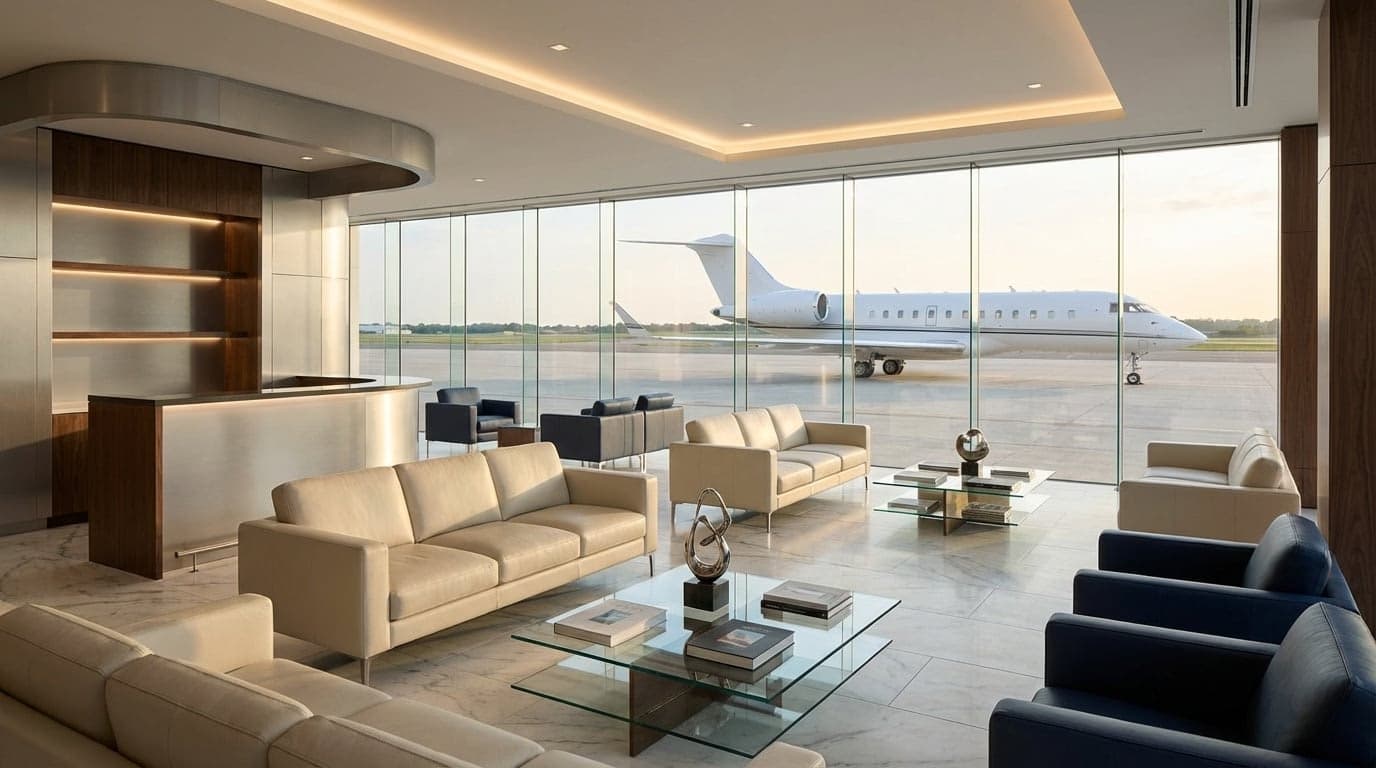
features private terminals with executive lounges.
The Flyius Private Jet Experience
Concierge Support
Dedicated aircraft and crew
4h 15min
features private terminals with executive lounges.
Why Choose a Private Jet for This Route?
Time Savings: Skip security lines and arrive just 15-20 minutes before departure. No connections, no delays.
Privacy & Comfort: Enjoy complete privacy in your own cabin with luxurious seating and amenities.
Flexibility: Depart on your schedule, not the airline's. Last-minute changes accommodated.
Airports for This Route
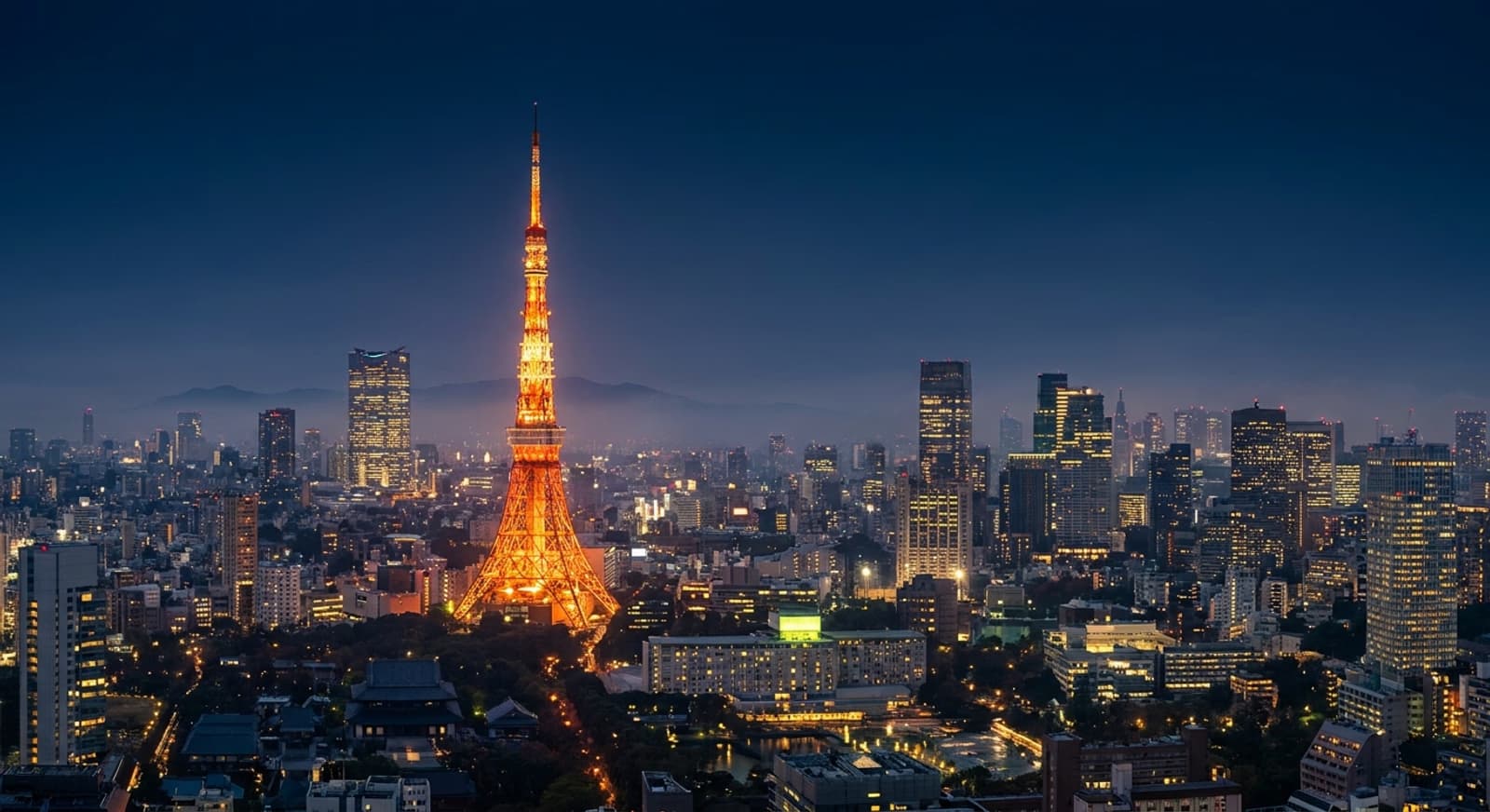
Hong Kong: Hong Kong Intl (VHHH) offers premium FBO facilities for private aviation. Explore more routes from Hong Kong.
Tokyo: Tokyo Haneda Airport (RJTT) features private terminals with executive lounges. Discover all routes to Tokyo.
Recommended Aircraft for Hong Kong to Tokyo
For this 2,885km route, we recommend:
- Midsize Jets – Comfortable for 7-9 passengers with more cabin space
- Heavy Jets – Premium comfort for 10-14 passengers
What's Included in Your Charter
Every private jet charter includes:
- Dedicated aircraft and crew
- All fuel, handling, and landing fees
- Flexible catering options
- 24/7 concierge support
- Complimentary ground transportation coordination
Additional services like in-flight WiFi and special requests available on request. Learn more about the Flyius Experience or check our Frequently Asked Questions.
How Much Does This Flight Cost?
Prices vary based on aircraft type, availability, and season. View our complete pricing guide for detailed breakdowns by jet category.
Booking is simple. See how it works.Looking to save? Check our empty leg deals for discounts up to 75% on select routes.
The Flyius Private Jet Experience
From booking to landing, every detail is handled.
Our concierge team arranges everything: permits, catering, ground transportation, and any special requests.
Experience the difference with ARGUS Platinum operators. Learn more about our safety standards.
Safety First, Always
All our operators are ARGUS Platinum and Wyvern certified,meeting the highest aviation safety standards.
Every aircraft undergoes rigorous maintenance and crew training programs.

Hong Kong to Tokyo
Redefined
Your journey from Hong Kong to Tokyo begins the moment you leave your home. Private terminal access, dedicated concierge, and seamless boarding in just 4h 15min—no queues, no stress.
15min
Check-in
100%
Privacy
24/7
Concierge
Questions & Answers
Frequently Asked Questions
Everything you need to know about this route
How much does a private jet charter from Hong Kong to Tokyo cost one way?
What size private jet makes sense for the Hong Kong to Tokyo sector — do I need a heavy jet?
How long is the flight from VHHH to RJTT on a private jet, and what does the door-to-door time actually look like?
Which Tokyo airport is better for private jet arrivals — Haneda or Narita, and are there slot restrictions I should know about?
What are the customs and overflight permit requirements for a private jet flying from Hong Kong into Japan?
When is the worst time of year to charter a private jet on this route, and are there periods when aircraft availability tightens significantly?
Are there empty leg opportunities on the Hong Kong to Tokyo route, and which direction is more likely to yield a discounted flight?
What should I know about catering, baggage limits, and ground transfers when chartering a private jet between Hong Kong and Haneda?
Have more questions?
Ready to fly from Hong Kong to Tokyo?
Get your personalized quote for this route. Our team will respond within 2 hours with transparent pricing.
Similar Routes
Similar Routes
Explore other destinations from Hong Kong and to Tokyo