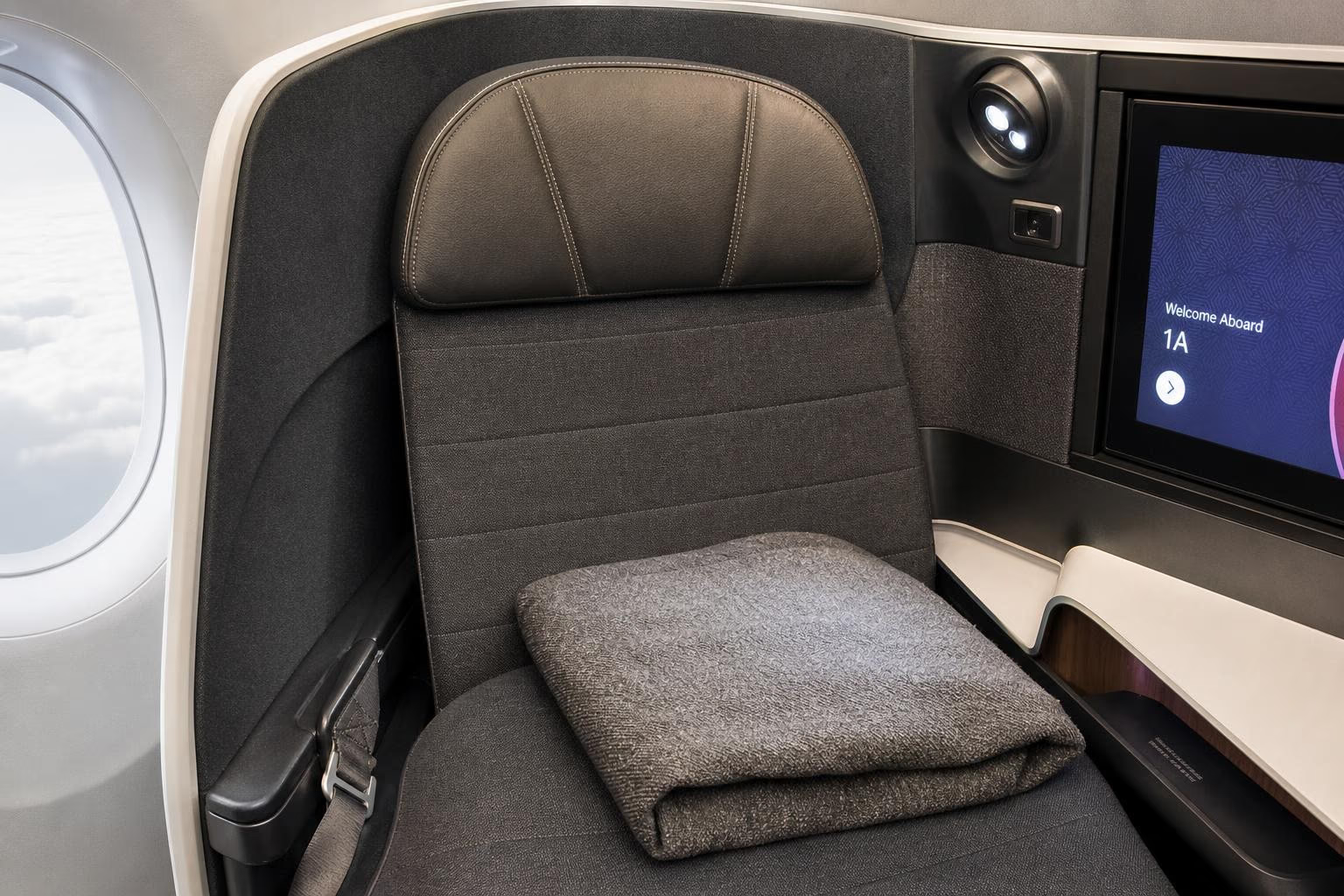
Business and first
Up to −60%
Business or first, on the same flight the airline site shows. The quote puts the gap next to that day’s published fare.
See my gap
Route and cabin. Two fares come back, or one if the airline site is already lower.
Major airports
Nothing is charged before you accept.
−60%
Widest gap already seen, same day
Same seat
Airline and flight number on the quote
On yes
Nothing charged before you accept.
The airline site is rarely the lowest
You already know the flight. Business or first, a date that can move by a day, one to three travellers. The price on the airline site is the fare they choose to show. Some of the same seats sell below it, on fares public search does not surface.
Sixty percent is a ceiling, not a promise. It is the widest gap Flyius has already seen against the fare that airline published the same day, for that flight, in that cabin. On many routes the gap is smaller. When there is no cheaper fare, the quote shows the published price and a zero gap. No crossed-out flexible fare. No invented discount.
This is an airline seat, not the aircraft. The timetable, the airport and the contract of carriage stay with the airline. From about six travellers, or when the departure time has to be yours, the whole aircraft usually wins — empty leg, group charter, or on-demand charter.
Two prices. One flight. You keep the lower one, or you walk.
Empty-leg alerts — when the dates can moveGroup charter: per-seat math from six travellersHow on-demand charter works
Four moves between the site price and the quote
The number only means something next to the fare the airline is showing today.
01
Set the trip
Route, cabin, and how many of you. A day of flex on either side is what opens the fares public search skips. A locked hour is a different product — that is charter.
02
Look under the published price
We take the fare the airline site shows that day for that flight and that cabin. If a sale is already on the airline site, that sale is the reference. The gap is measured against it, not against a flexible fare nobody was going to buy.
03
Read both prices, and the rules
The quote stacks the published fare and the lower fare, then the rules that change the trip: changes, refunds, miles, baggage, and how long the fare can be held. A cheaper ticket with a brutal change rule is still a cheaper ticket — you should see that before you say yes.
04
Accept, or don’t
Nothing is charged before you accept. Fares move. If the lower one is gone by the time you reply, we say so and re-price against that day’s published fare. If the airline site is already lower, you get one number, not a performance.
The timetable and the airport stay the airline’s. Flyius finds the fare and puts both prices on one page.
A seat, or the whole aircraft
Same trip, different product. The quote should tell you which one is actually cheaper today.
| Product | What you buy | When it wins | What to watch |
|---|---|---|---|
| Business or first seat | One seat on a scheduled flight | One to three travellers, a date that can move | Change and refund rules are often stricter than the airline’s flexible fare |
| Empty leg | The whole aircraft, on a fixed repositioning route | Dates that can move to the flight that already exists | The route and the time are the operator’s, not yours |
| Group charter | The whole aircraft, split across the party | About six travellers or more | Per-person math only works once the aircraft is actually full enough |
| On-demand charter | The whole aircraft, on your schedule | A departure time that cannot move, or a city pair with no useful airline | You pay for the aircraft, including the hours it flies empty to reach you |
At two, the airline seat usually wins. At six, ask for both numbers the same day.
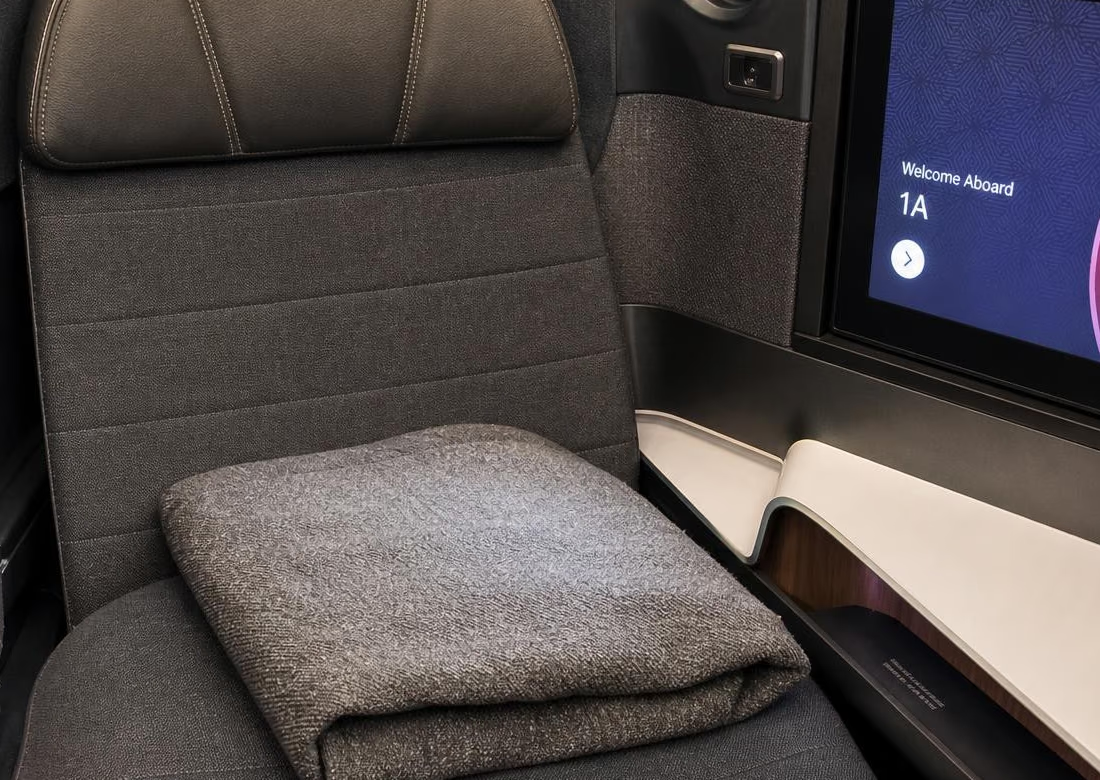
Two prices. One flight.
The discount is only real if you can see what it was taken from.
01
The published fare, the same day
Both numbers are for the same airline, the same flight number, the same cabin, on the day the quote is sent. The percentage is the gap between them. It is not an average, and it is not a guarantee that the next route will match the widest gap we have already seen.
02
The rules that change the trip
A fare can be cheaper because it cannot be changed, cannot be refunded, earns no miles, or holds for hours rather than days. Those rules are on the quote, next to the price. If they do not fit the trip, the published fare is still there.
The airline operates the flight. Flyius finds the fare and sends it. You accept, or you don’t.
Business and first, without the crossed-out price
Is this the same seat as on the airline site?
Where does the lower price come from?
Will I always get −60%?
Can I change the name or the date?
Do I earn miles?
Who operates the flight?
We are six, or the departure time cannot move. Is this still the page?
Send the route. Come back with two fares, or with one if the airline site is already lower.
Business or first. The flight you already had in mind. A quote, and nothing charged before you accept.
Concierge desk — response typically after availability checks