Private Jet Charter
Private Jet Tokyo to Seoul
The Tokyo–Seoul sector covers 1,259 km across the Korea Strait, with block time typically running 2 hours 5 minutes westbound and marginally longer eastbound against prevailing winds. Both cities operate dedicated general aviation facilities close to their business districts, which is the main reason this route works as a same-day charter even accounting for customs and immigration. Light jets handle the distance nonstop without difficulty, making this one of the more cost-efficient transnational sectors in Northeast Asia.
- ARGUS Certified
- No Commitment
- Instant Quotes
Departure
Destination
Date
Time
Passengers

Written by Sophie Marchant · Senior Business Aviation Editor · 9+ years aviation experience
Reviewed by Thomas Werner · Aviation Operations Reviewer
Last updated
Transparent Pricing
Tokyo to Seoul Private Jet Prices
Compare executive jet and business jet charter options for this route. All prices include fuel, crew, and standard handling fees.
Light Jet
4-7 passengers • 2,500 km range
Estimated one-way price
e.g. Citation CJ3, Phenom 300, Learjet 45
- WiFi Available
- Lavatory
- Refreshments
Midsize Jet
7-9 passengers • 4,500 km range
Estimated one-way price
e.g. Citation XLS, Hawker 800, Learjet 60
- WiFi
- Full Galley
- Stand-up Cabin
- Lavatory
Heavy Jet
10-16 passengers • 7,000 km range
Estimated one-way price
e.g. Challenger 605, Gulfstream G450, Legacy 650
- WiFi
- Full Galley
- Bedroom Option
- Shower Available
Ultra Long Range
12-19 passengers • 12,000+ km range
Estimated one-way price
e.g. Gulfstream G650, Global 7500, Falcon 8X
- WiFi
- Multiple Cabins
- Master Suite
- Full Kitchen
Prices shown are estimates based on typical market rates. Final pricing may vary depending on aircraft availability, specific dates, and additional services. Contact us for an exact quote tailored to your requirements.
Browse our complete fleetAccepted Payment Methods
VAT not applicable on international charter flights • All currencies accepted
Why Executives Choose
Tokyo → Seoul
Save 3h Per Trip
No security lines, no boarding delays. Arrive 15-20 minutes before departure and maximize your time.
100% Confidential Meetings
Your entire team, your private cabin. Discuss sensitive matters freely without eavesdroppers.
Maximize Productivity
Fast WiFi, power outlets, full workspace. Turn flight time into productive work time.
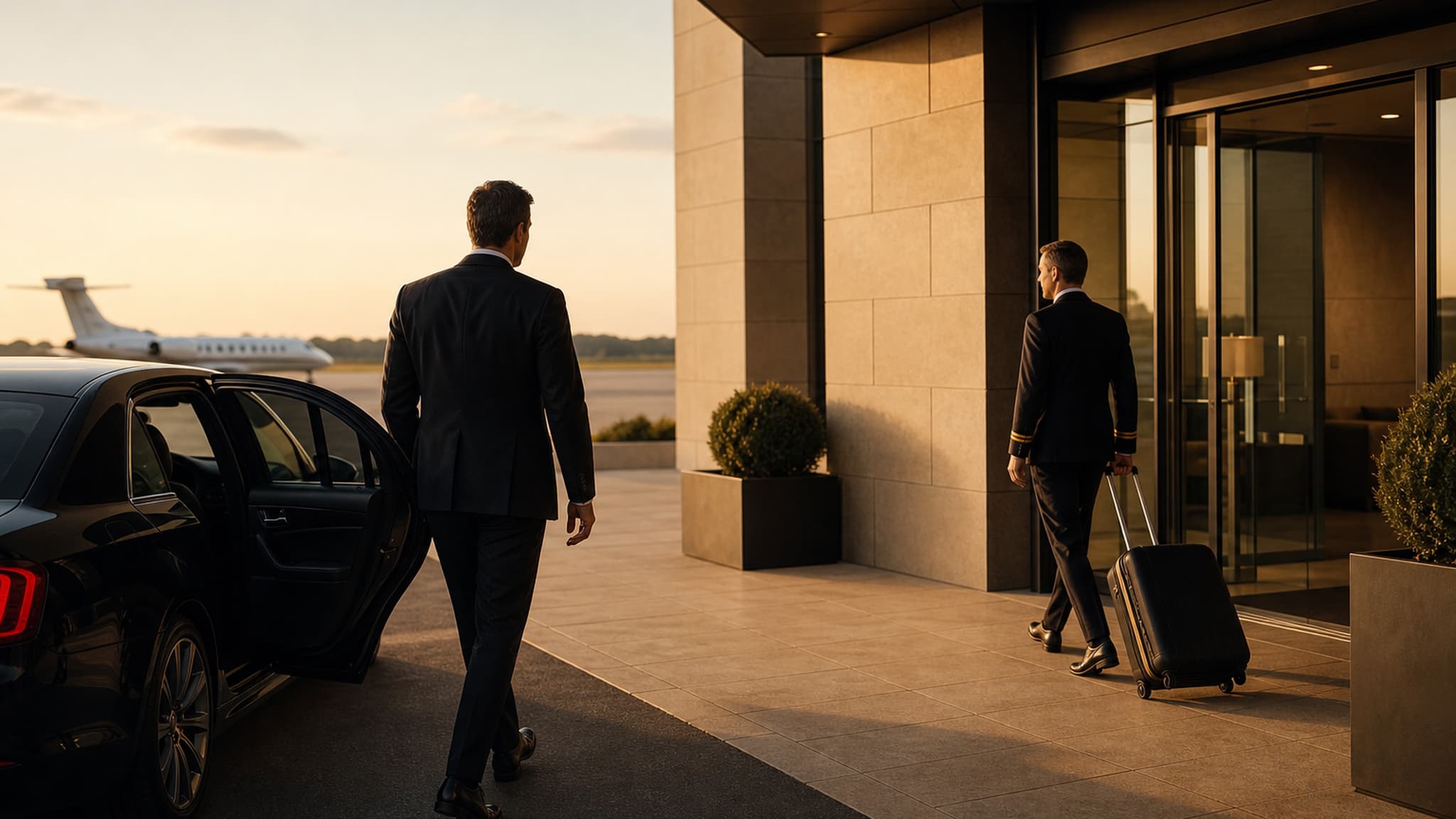
Why Fly Private?
Private Jet vs. Commercial Flight
See exactly how flying private from Tokyo to Seoul compares to commercial airlines.
Time Saved Per Trip
3h 10min
Skip the security lines, boarding queues, and baggage claim entirely
36+
Hours saved per year
(12 trips)
5
Full work days recovered
Ready to experience the difference?
View Pricing OptionsRoute Information
Tokyo & Seoul Airport Information
Private jet terminals and FBO facilities for your VIP flight between Tokyo and Seoul.
Departure
Tokyo
Japan
Arrival
Seoul
South Korea
No Fuel Stops Required
This route can be completed non-stop with all jet categories
Flight Path Visualization
Tokyo to Seoul Route Map
RJTT → RKSS · 1,259 km · 2h 5m
Airport Information
Airport Access & Ground Transportation
Private terminals, FBO services, and transportation options
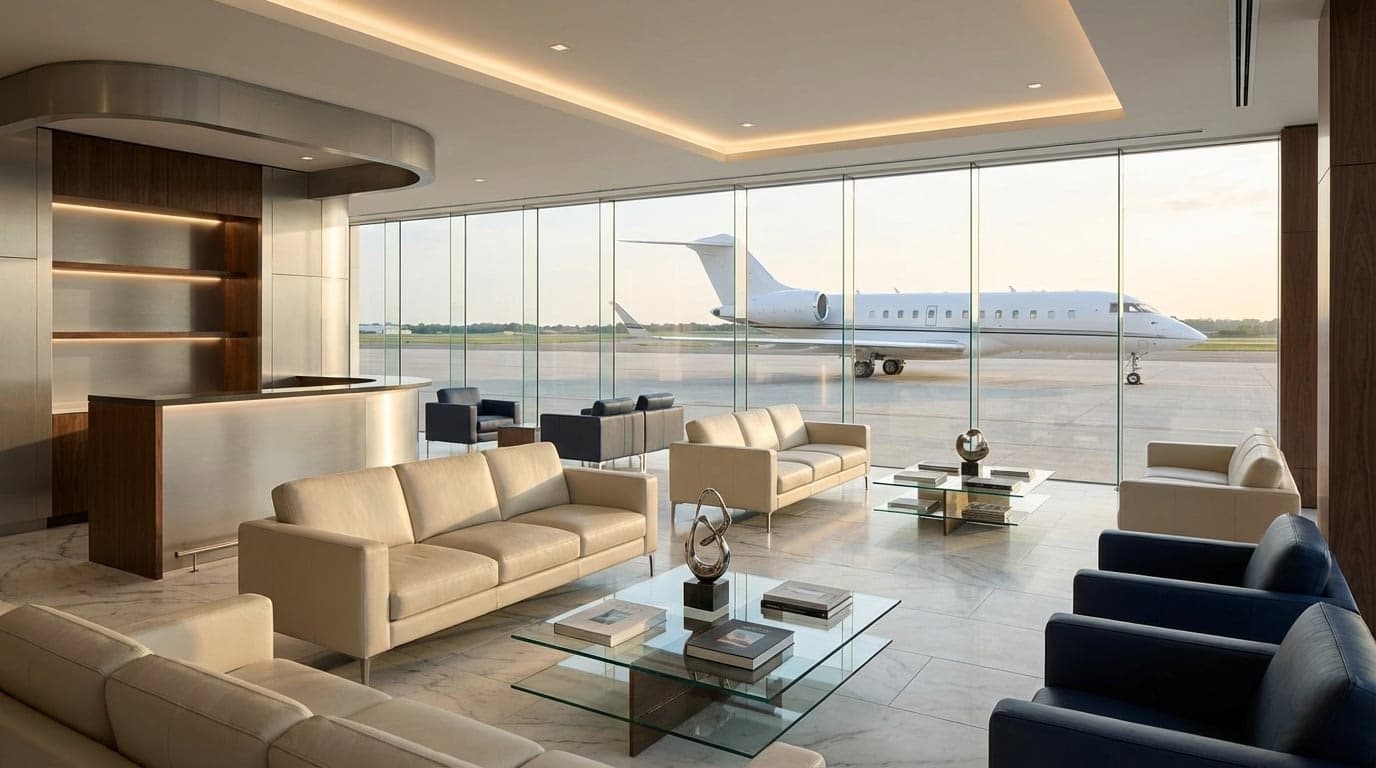
Tokyo Airport
Tokyo Haneda Airport (RJTT)
Getting There
18 km to Tokyo city center
Transfer time varies by traffic
Practical Information

Seoul Airport
Gimpo International Airport (RKSS)
Getting There
17 km to Seoul city center
Transfer time varies by traffic
Practical Information
Ready to Book Your Flight?
Get instant quotes from certified operators
Tokyo → Seoul
Flying private from Tokyo to Seoul: what to expect
Charter a private jet from Tokyo to Seoul. 1,259km direct flight in just 2h 5min. Compare prices from certified operators and book your executive jet today.
Flight Time
2h 5min
Direct flight
Distance
1,259 km
782 miles
From Price
€10,000
One-way, excl. taxes
Route Statistics
Flight Time
2h 5min
Distance
1,259 km
From Price
€10,000
For this 1259km route, we recommend:
Light Jets
Why Choose a Private Jet for This Route?
Time Savings: Skip security lines and arrive just 15-20 minutes before departure. No connections, no delays.
Flight Data and Aircraft Selection for 1,259 km
At this distance, every category flies nonstop — the question is whether the premium is justified. Here are the operational numbers:
- Distance: 1,259 km (great circle)
- Block time: 2h 05min westbound (Tokyo → Seoul); allow 2h 15–20min eastbound against the jet stream
- Flight level: FL390–FL410 typical for light and midsize jets on this sector
The honest recommendation: light jet for up to 6 passengers. A midsize makes sense if your group is larger or you're carrying product samples, equipment cases, or ski-volume luggage. A heavy jet at €23,000 for a 2-hour flight is hard to justify — you're buying cabin space you'll use for one coffee and a document review. The Citation Latitude sits in the midsize category and offers a flat-floor cabin if the stand-up headroom matters to your team.
Why This Route Runs as a Charter Sector
Tokyo and Seoul are the two largest financial markets in Northeast Asia, and the institutional relationships between Japanese and Korean corporates — particularly in automotive, semiconductors, electronics, and banking — generate consistent bilateral traffic. Samsung, Hyundai, SK, and LG all maintain Tokyo offices; Japanese trading houses (Mitsubishi, Mitsui, Sumitomo) have deep Seoul operations. Charter demand peaks in Q1 around fiscal year-end planning cycles in both countries, and again in September–October when deal flow tends to accelerate before year-end.
The route also carries significant government and diplomatic traffic given the bilateral relationship between Japan and South Korea. When senior-level meetings are scheduled on short notice — which they frequently are — charter is the only option that delivers a same-day meeting window without the exposure of appearing on a commercial manifest.
For fashion and luxury buyers, Seoul's Dongdaemun Design Plaza events and Tokyo's fashion weeks create short-burst demand that aligns poorly with commercial schedules. A charter at €10,000 shared across four buyers becomes €2,500 per seat — competitive with business class on short notice.
Departure Profile: Tokyo
Tokyo has three realistic departure points for private jet operations, and the choice affects your ground time materially.
Tokyo Haneda (RJTT / HND) is the primary option for most charters. It sits 14 km from central Tokyo (roughly 20–30 minutes by car at 07:00, 40–55 minutes during evening peak). The airport has dedicated general aviation handling, and its proximity to the city center makes it the default for time-sensitive departures. The main operational consideration: Haneda handles enormous commercial traffic and slot coordination can require advance planning, particularly for morning departures on weekdays.
Tokyo Narita (RJAA / NRT) is 60 km northeast of the city — budget 60–90 minutes from central Tokyo depending on traffic. It's the fallback when Haneda slots are constrained, but the transfer time erodes much of the private jet time advantage. If your passenger is based in central Tokyo, Haneda is the correct choice unless you have a specific operational reason to use Narita.
For context on navigating Tokyo's private aviation landscape, the Tokyo private aviation guide covers seasonal slot pressure and ground handling in more detail.
Arrival Profile: Seoul
Seoul Gimpo (RKSS / GMP) is the correct airport for private jet arrivals into Seoul. It sits 18 km west of central Seoul — approximately 25–35 minutes to Gangnam or the financial district under normal conditions, or up to 50 minutes during morning peak on the Olympic Expressway. Gimpo has dedicated business aviation facilities and processes international arrivals more efficiently than Incheon for private operations. FBO and handling services are available through the general aviation terminal.
Seoul Incheon (RKSI / ICN) is 52 km from central Seoul and primarily serves commercial traffic. It's a valid option if your onward destination is closer to Incheon — western suburbs, certain industrial areas — but for Gangnam, Yeouido (the financial district), or central Seoul, Gimpo saves 30–40 minutes on the ground. Most operators will default to Gimpo unless you specify otherwise.
Immigration processing at Gimpo for arriving charter passengers typically runs 20–35 minutes. Factor this into your meeting schedule — a 10:00 meeting in Gangnam requires a Seoul wheels-down no later than 09:00, which means departing Tokyo Haneda by 07:00 local time at the latest. Check current bilateral entry requirements, as documentation requirements for Japanese and foreign nationals differ.
Same-Day Return: How It Actually Works
A same-day Tokyo–Seoul–Tokyo is feasible and reasonably common on this route. Here's a workable schedule:
- 07:00 — Depart Haneda (HND)
- 09:05 — Arrive Gimpo (GMP), local time (Seoul is UTC+9, same as Tokyo)
- 09:40 — Clear immigration, car picks up
- 10:15 — Arrive Yeouido or Gangnam meeting location
- 10:15–15:30 — Meeting window (~5 hours)
- 16:15 — Depart Gimpo
- 18:30 — Arrive Haneda, Tokyo local time
The limiting factor is usually immigration, not the flight. If your passenger holds Japanese nationality, Korean e-visa processing is straightforward. For non-Japanese nationals, confirm visa requirements before scheduling — Korean visa-on-arrival is available for many nationalities but not all, and charter arrivals still go through full immigration channels. Allow 30–40 minutes at Gimpo on arrival to be safe.
This route is also worth checking for empty leg availability — given the volume of corporate charters running on this corridor, repositioning flights appear regularly and can reduce the one-way cost significantly.
Commercial Alternative: The Math
ANA, JAL, Korean Air, and Asiana all operate the Tokyo–Seoul route with multiple daily frequencies from Haneda to Gimpo (typically 6–8 flights per day each way). Business class fares on short notice run ¥80,000–¥150,000 per person (roughly €500–€950). Flight time is 2h 10min commercial, similar to charter.
The door-to-door math, however, is different: 45 minutes at Haneda for international check-in, 2h 10min flight, 35–45 minutes immigration and baggage at Gimpo, 30-minute car transfer to Gangnam = approximately 4 hours 15 minutes total. The private jet equivalent (15-minute arrival at FBO, 2h 05min flight, 30 minutes immigration, 30 minutes transfer) runs approximately 3 hours 20 minutes — saving roughly 55 minutes door-to-door. That's a smaller time margin than on most private jet routes because Gimpo's immigration is efficient and commercial frequencies are high. The value proposition on this route is schedule control, confidentiality, and group economics — not dramatic time savings versus a nonstop commercial flight.
The related Hong Kong to Tokyo corridor operates on similar Northeast Asian corporate travel dynamics and is worth reviewing if your itinerary extends further.
Tokyo
Tokyo Haneda Airport (RJTT)
offers premium FBO facilities for private aviation.
Seoul
Gimpo International Airport (RKSS)
features private terminals with executive lounges.
The Flyius Private Jet Experience
Concierge Support
Dedicated aircraft and crew
2h 5min
features private terminals with executive lounges.
Why Choose a Private Jet for This Route?
Time Savings: Skip security lines and arrive just 15-20 minutes before departure. No connections, no delays.
Privacy & Comfort: Enjoy complete privacy in your own cabin with luxurious seating and amenities.
Flexibility: Depart on your schedule, not the airline's. Last-minute changes accommodated.
Airports for This Route
Tokyo: Tokyo Haneda Airport (RJTT) offers premium FBO facilities for private aviation. Explore more routes from Tokyo.
Seoul: Gimpo International Airport (RKSS) features private terminals with executive lounges. Discover all routes to Seoul.
Recommended Aircraft for Tokyo to Seoul
For this 1,259km route, we recommend:
- Light Jets – Ideal for 4-8 passengers, perfect for this distance
- Midsize Jets – Comfortable for 7-9 passengers with more cabin space
- Heavy Jets – Premium comfort for 10-14 passengers
What's Included in Your Charter
Every private jet charter includes:
- Dedicated aircraft and crew
- All fuel, handling, and landing fees
- Flexible catering options
- 24/7 concierge support
- Complimentary ground transportation coordination
Additional services like in-flight WiFi and special requests available on request. Learn more about the Flyius Experience or check our Frequently Asked Questions.
How Much Does This Flight Cost?
Prices vary based on aircraft type, availability, and season. View our complete pricing guide for detailed breakdowns by jet category.
Booking is simple. See how it works.Looking to save? Check our empty leg deals for discounts up to 75% on select routes.
The Flyius Private Jet Experience
From booking to landing, every detail is handled.
Our concierge team arranges everything: permits, catering, ground transportation, and any special requests.
Experience the difference with ARGUS Platinum operators. Learn more about our safety standards.
Safety First, Always
All our operators are ARGUS Platinum and Wyvern certified,meeting the highest aviation safety standards.
Every aircraft undergoes rigorous maintenance and crew training programs.
Flying between Japan and South Korea.

Tokyo to Seoul
Redefined
Your journey from Tokyo to Seoul begins the moment you leave your home. Private terminal access, dedicated concierge, and seamless boarding in just 2h 5min—no queues, no stress.
15min
Check-in
100%
Privacy
24/7
Concierge
Questions & Answers
Frequently Asked Questions
Everything you need to know about this route
How much does a private jet charter from Tokyo Haneda to Seoul Incheon typically cost?
Which aircraft category offers the best value on the Tokyo to Seoul route?
What are the slot and curfew restrictions at Tokyo Haneda that charter passengers should know about?
Does a private jet on this route still need to clear customs and immigration at Incheon?
Which FBO or handling facilities are available for private jets at Haneda and Incheon?
What are the Japanese and Korean regulatory requirements for operating a charter flight on this route?
When is the best time of year to charter a private jet between Tokyo and Seoul?
Are there any practical alternatives to flying private between Tokyo and Seoul worth considering?
Have more questions?
Ready to fly from Tokyo to Seoul?
Get your personalized quote for this route. Our team will respond within 2 hours with transparent pricing.
Similar Routes
Similar Routes
Explore other destinations from Tokyo and to Seoul