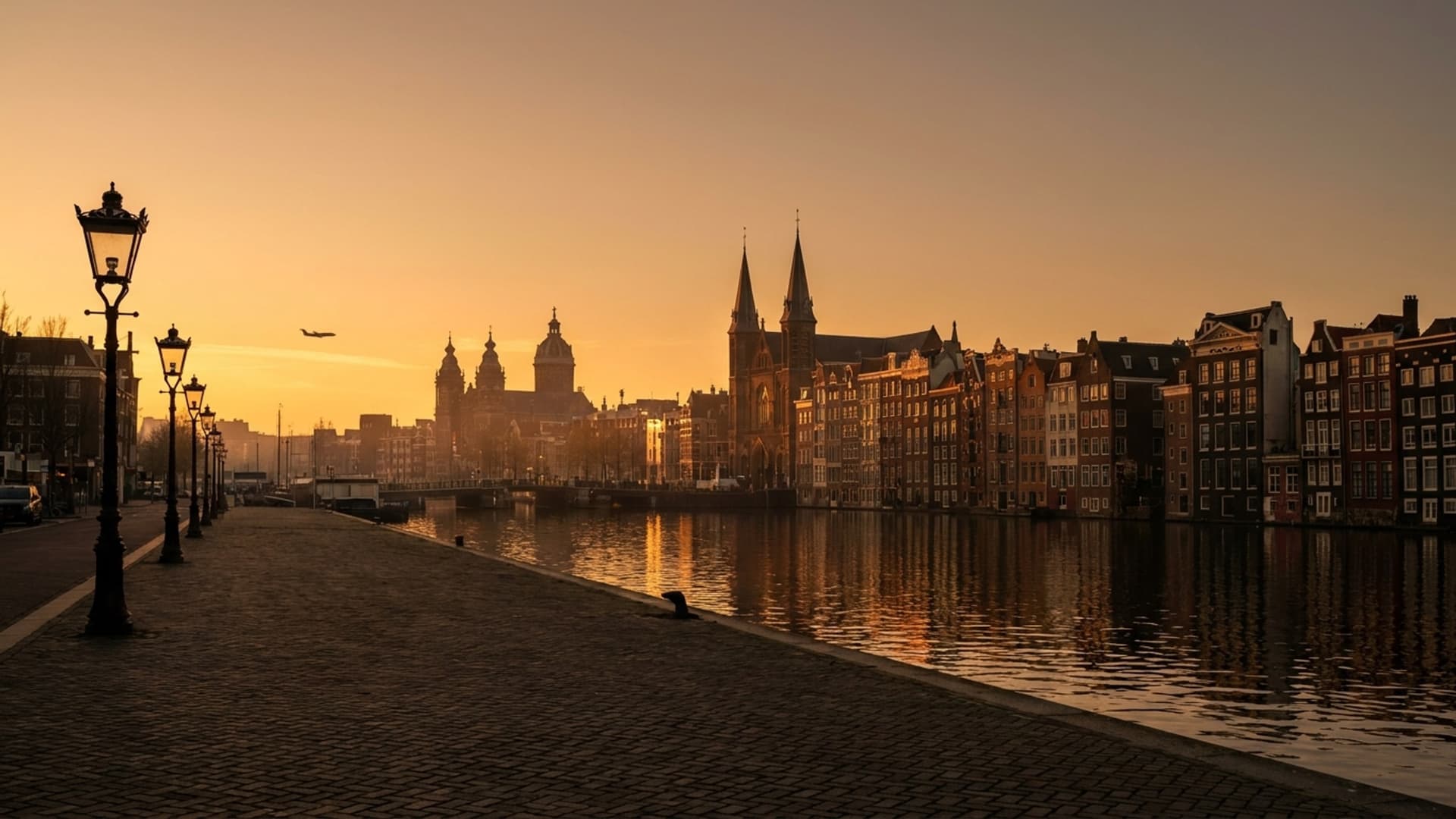
Схипхол вытесняет бизнес-джеты — когда Роттердам умнее для Амстердама, реальность слотов и как выбрать аэропорт в 2026.
Амстердам — единственная крупная европейская столица, где очевидный аэропорт незаметно становится неправильным. Аэропорт Амстердам-Схипхол (AMS) находится всего в 9 километрах к юго-западу от центра — 15–20 минут трансфера, — но это же тот аэропорт, который публично объявил бизнес-джеты «более не желанными» и последние три года пытается их запретить. Проверенные ориентировочные цены Flyius на 2026 год начинаются от 7 000 € на лёгком джете за 45-минутный перелёт из Лондона или Франкфурта и достигают около 42 000 € из Рима на сверхдальнем самолёте. Деталь, которую пропускает почти каждый гид: Схипхол работает по слотам, ограничен по ночам и активно сжимает деловую авиацию, поэтому всё большая доля рейсов теперь обходит его через Роттердам-Гаага (RTM) и Лелистад (LEY). Этот гид даёт реальные цены по маршрутам, решение из четырёх аэропортов, которое действительно важно в Нидерландах, самолёт под каждую задачу и нидерландский календарь — Кёнингсдаг, Гран-при Зандворта, сезон тюльпанов, — который перекраивает наземное обслуживание.
Зачем лететь в Амстердам частным бортом
Амстердам вмещает один из самых плотных деловых спросов Европы в одном из самых компактных периметров. Это финансовый и юридический центр, город-штаб-квартира ряда транснациональных компаний и техно- и креативный хаб, порождающий постоянный поток командировок руководителей — часто туда-обратно в тот же день, по плотному графику. Это ещё и магнит для отдыха: каналы, музеи, Кёнингсдаг, сезон тюльпанов и ночная жизнь, заполняющая каждый отель города ради событий вроде Amsterdam Dance Event. Это сочетание — плотный корпоративный спрос поверх ярких событийных выходных — ровно тот профиль, который частная авиация обслуживает лучше всего.
Регулярная альтернатива съедает большую часть времени, которое экономит быстрый перелёт. Схипхол — один из крупнейших сетевых хабов мира, и регулярный опыт — долгий путь до выхода, паспортный контроль, багажные ленты, жёсткое расписание — обычно добавляет два-три часа вокруг самого полёта. Частный борт всё переворачивает. На коридорах, которые доминируют в трафике Амстердама, — Лондон, Париж, Франкфурт — полёт длится 45–55 минут, и весь смысл в том, что время в аэропорту сжимается почти до нуля: вы приезжаете в частный терминал, из салона пересаживаетесь в ожидающий автомобиль и проходите формальности в лаундже, а не в очереди. От двери до двери частный борт на этих перелётах часто быстрее регулярного, хотя сам самолёт медленнее широкофюзеляжного, — потому что полёт никогда и не был медленной частью.
Вторая причина — контроль. Частный чартер позволяет самим задать вылет, взять именно ту группу, что нужна, работать или спать в отдельном салоне и перепланировать маршрут, когда встреча сдвигается. Для руководителя, летящего в Амстердам туда-обратно за день, или группы, направляющейся на Гран-при Нидерландов, эта гибкость и есть продукт — самолёт лишь способ его доставки.
Сколько стоит частный самолёт в Амстердам в 2026 году
Ниже — проверенные ориентировочные цены Flyius для самых загруженных направлений Амстердама, по категориям самолётов. Это реальные чартерные оценки из нашей базы маршрутов — не собранные в сети средние, — и они меняются с сезоном, доступностью, перелётом в одну сторону против «туда-обратно» и перегонкой. Используйте их, чтобы очертить бюджет; живая котировка подтвердит точную цифру на вашу дату.
| Маршрут | Лёгкий джет | Midsize | Heavy | Сверхдальний | Время в пути |
|---|---|---|---|---|---|
| Амстердам ↔ Лондон | 7 000 € | 8 000 € | 13 000 € | 20 000 € | ~0ч 47м |
| Амстердам → Франкфурт | 7 000 € | 9 000 € | 13 000 € | 20 000 € | ~0ч 51м |
| Амстердам ↔ Париж | 7 500 € | 9 500 € | 14 000 € | 20 000 € | ~0ч 55м |
| Амстердам → Цюрих | 9 500 € | 12 000 € | 18 000 € | 25 000 € | ~1ч 12м |
| Амстердам → Женева | 10 000 € | 12 000 € | 19 000 € | 27 000 € | ~1ч 18м |
| Амстердам → Ницца | 13 000 € | 16 000 € | 24 000 € | 34 000 € | ~1ч 44м |
| Амстердам → Рим | 16 000 € | 19 000 € | 30 000 € | 42 000 € | ~2ч 11м |
| Амстердам → Ибица | 18 000 € | 22 000 € | 34 000 € | 48 000 € | ~2ч 30м |
Короткие деловые перелёты
Самые дешёвые и частые маршруты Амстердама — перелёты менее часа в соседние финансовые столицы. Амстердам–Лондон и Амстердам–Франкфурт стартуют оба от 7 000 € на лёгком джете, а Амстердам–Париж — от 7 500 €, и это диапазон, где аргумент цены сильнее всего. Лёгкий джет вроде Phenom 300 или Citation CJ4 берёт шесть-семь пассажиров, так что в расчёте на команду руководителей стоимость приближается к гибким бизнес-тарифам, сохраняя при этом весь рабочий день. Это также коридоры с наибольшим движением в одну сторону, а значит, лучшие шансы поймать пустой перегон (empty leg), если ваши даты гибкие.
Маршруты в Альпы и на Ривьеру
Амстердам в Цюрих, Женеву и Ниццу — классические зимние и летние секторы: Альпы в горнолыжный сезон, Лазурный берег с мая. Они идут от 9 500 € до 16 000 € на лёгких и midsize и до 27 000 €–34 000 € на сверхдальних для тех, кому нужен большой салон. На этих этапах в 70–105 минут midsize или super-midsize — Citation XLS+, Learjet 75, Challenger 350 — обычно золотая середина: салона достаточно, чтобы провести встречу или вытянуться, без переплаты за дальность heavy-джета, которая не нужна.
Более длинные секторы
Для Рима, Ибицы и дальше цены растут с расстоянием: Амстердам → Рим от 16 000 €, Амстердам → Ибица от 18 000 € на лёгком джете. Межконтинентальные секторы — иной порядок: Дубай–Амстердам, семь с половиной часов полёта, ориентировочно около 52 500 € на лёгком джете и 137 500 € на сверхдальнем, и это по-настоящему задача только для heavy или сверхдальнего самолёта. Общую картину даёт наш разбор стоимости частного джета в Европе, помещающий цифры Амстердама в контекст континента.
Выбор аэропорта в Амстердаме: Схипхол против Роттердама, Эйндховена и Лелистада
Именно здесь Нидерланды выбиваются из любого другого гида нашей серии. В Мадриде или Милане вопрос аэропорта — про слоты и комендантские часы, на площадках, которые хотят ваш трафик. В Амстердаме главный аэропорт стремится вовсе сократить трафик бизнес-джетов, так что решение — не столько «какая полоса», сколько «есть ли вообще смысл в Схипхоле для этой поездки».
Давление Схипхола, объяснение. В 2023 году Схипхол объявил бизнес-джеты «более не желанными» и заявил о намерении запретить их вместе с ночными рейсами — во имя шума и того, что пассажир частного джета выбрасывает куда больше CO₂ на человека, чем пассажир регулярного рейса. Аэропорт оценил примерно в 17 000 движений бизнес-джетов в год то, что хотел убрать. Этот план неоднократно оспаривался в судах и откладывался, так что точный юридический статус постоянно меняется, и ни один путешественник не должен предполагать жёсткий запрет на конкретную дату. Что не изменилось — направление: Схипхол работает по слотам, ограничивает общее число движений, ограничивает ночные операции и трактует нерегулярную деловую авиацию как низший приоритет. На практике это меньше гибкости, более узкие окна обслуживания и больше трения, чем на специализированной деловой площадке, — ровно поэтому всё больше нидерландских чартеров по умолчанию выбирают Роттердам или Лелистад.
| Аэропорт | Код | Роль для бизнес-джетов | Оговорка |
|---|---|---|---|
| Амстердам Схипхол | AMS / EHAM | Ближе всех к городу (9 км), таможня 24/7, FBO Jet Aviation и Aviapartner Executive, полоса 3 800 м принимает всё. | По слотам, с потолком движений, ночными ограничениями и политически враждебен бизнес-джетам — наименее гибкий вариант. |
| Роттердам-Гаага | RTM / EHRD | Де-факто вход деловой авиации. Единственный FBO Jet Aviation, быстрый разворот, гибкие слоты, полоса 2 200 м на все категории. | ~65 км / 50–60 мин от центра Амстердама (но отлично для Роттердама и Гааги). |
| Эйндховен | EIN / EHEH | Военно-гражданская площадка на юге, полоса 3 000 м, полная таможня — полезна для юга страны или когда Схипхол и Роттердам заполнены. | ~1ч20 от Амстердама; военный контроль слотов может ограничивать гибкость. |
| Лелистад | LEY / EHLE | Разгрузочная площадка авиации общего назначения в ~45 мин к востоку от Амстердама, построена для разгрузки Схипхола; хороша для меньших джетов. | Ограниченные часы и глубина обслуживания; уточняйте таможню и время работы до планирования международного прилёта. |
Практический ответ: если поездка действительно в Амстердам и критична по времени, Схипхол по-прежнему ближе всех, а его деловые терминалы превосходны — но бронируйте обслуживание заранее и ждите меньше свободы, чем на частной площадке. Если у вас есть хоть какая-то гибкость или вы едете в Роттердам, Гаагу или в широкий Рандстад, Роттердам-Гаага в 2026 году — более разумный выбор по умолчанию: он построен под деловую авиацию, редко перегружен, а лишние 45 минут в дороге часто быстрее в сумме, чем борьба с очередью слотов и обслуживания в Схипхоле. Лелистад и Эйндховен — клапаны сброса на пиковые выходные. Выбор аэропорта в Амстердаме — не про длину полосы (любая из этих площадок примет ваш джет), а про то, какая из них действительно этого хочет.
Какой самолёт под вашу задачу в Амстердам
Правильный самолёт — функция дальности, размера группы и того, сколько салона вам нужно на время в воздухе.
- Лёгкие джеты (Phenom 300, линейка Citation CJ) — 6–7 мест, идеальны для перелётов до двух часов, доминирующих в спросе Амстердама: Лондон, Париж, Франкфурт и комфортный дотяг до Альп. Рабочая лошадка почти за каждой отметкой в 7 000 € выше.
- Midsize и super-midsize (Citation XLS+, Learjet 75, Challenger 350) — 7–9 мест, салоны в полный рост, золотая середина для маршрутов в Цюрих, Женеву, Ниццу и Рим, где хочется работать или отдыхать в пути.
- Heavy-джеты (Challenger 605, Falcon 900) — салоны и багажники крупнее для больших групп или сиденье уровня спального места на более длинных этапах.
- Сверхдальние (Gulfstream G650, Global 6000) — нужны из Амстердама только для межконтинентальных секторов (Залив, Америка, Азия) или когда приоритет — максимально большой салон вне зависимости от расстояния.
Если сомневаетесь, наш гид по типам частных джетов проходит по категориям с реальными чартерными ценами, а чартерный брокер подберёт самолёт под задачу за вас, без наценки сверх цены чартера.
События, которые действительно перекраивают обслуживание в Амстердаме
Поскольку Схипхол уже ограничен по движениям, реальные точки напряжения Амстердама сильнее всего бьют по парковке FBO, слотам и доступности экипажей во время горстки предсказуемых пиков. Планируйте — и бронируйте обслуживание — заранее вокруг них:
- Гран-при Нидерландов в Зандворте (конец лета) — крупнейшие выходные частной авиации в стране. Зандворт всего в 30 км от Схипхола, паддок и гостеприимство собирают мировую публику, а каждая региональная площадка от Роттердама до Лелистада заполняется быстро. Если летите на гонку, закрепляйте самолёт и обслуживание за недели.
- Кёнингсдаг (День короля) (27 апреля) — страна практически останавливается на праздник; Амстердам переполнен, отели распроданы, а входящий спрос концентрируется на одной дате.
- Сезон тюльпанов и Кёкенхоф (конец марта — середина мая) — устойчивый рост туризма, где выходные — самые узкие окна.
- Amsterdam Dance Event (октябрь) — один из крупнейших в мире слётов электронной музыки на пять дней заливает город и даёт резкий входящий пик.
- Крупные конгрессы в RAI Amsterdam — конгресс-центр проводит заметные выставки, загружающие деловое обслуживание на дни, во многом как IFEMA в Мадриде.
Ничто из этого не мешает прилететь, но превращает парковку в тот же день и предпочтительное окно FBO в то, что бронируют, а не считают само собой разумеющимся, — и это ровно те даты, когда маршрут через Роттердам или Лелистад может спасти поездку.
Амстердам как хаб — и более «зелёный» способ туда летать
Положение Амстердама на перекрёстке Северной Европы делает его естественной точкой перепозиционирования, что удерживает короткие коридоры — Лондон, Париж, Франкфурт, Брюссель — среди наиболее выгодных по цене секторов лёгких джетов в нашей базе и надёжным источником доступности в одну сторону. Если ваши даты гибкие, отслеживание пустых перегонов на этих маршрутах может заметно снизить цену перелёта.
Это также делает Амстердам умной точкой стыковки для многоэтапной поездки: деловое утро в Рандстаде, дневное перепозиционирование в Лондон, Париж или дальше на Ибицу на выходные — всё по вашему графику. А с учётом нидерландской чувствительности к выбросам, питающей всю дискуссию о Схипхоле, Амстердам — подходящее место, чтобы летать вдумчиво: наш гид по устойчивым перелётам на частном джете охватывает SAF, правильный подбор размера самолёта и компенсацию выбросов — рычаги, которые ощутимо сокращают след поездки.
Как забронировать частный самолёт в Амстердам
Бронировать просто: сообщите нам маршрут, дату и число пассажиров, и Flyius вернёт варианты самолётов с ценой «всё включено» — без членства и без скрытых сюрпризов перегонки. Единственный специфичный для Амстердама шаг — выбор аэропорта: если график плотный или дата совпадает с крупным событием, мы подскажем, что даст лучшее общее время — Схипхол или Роттердам, — и обеспечим обслуживание соответственно. Рейсы на лёгком джете часто удаётся организовать за сутки, но бронирование за два-три дня — и раньше для событийных дат выше — обеспечивает лучший самолёт и слот обслуживания.
Получите котировку частного джета в Амстердам → — проверенные цены, реальная доступность и персональный консультант для вашей поездки.
Часто задаваемые вопросы
Какими аэропортами пользуются частные джеты в Амстердаме?
Аэропорт Амстердам-Схипхол (AMS) ближе всех к городу и располагает полноценными деловыми терминалами Jet Aviation и Aviapartner Executive, но работает по слотам, ограничен по ночам и активно сокращает трафик бизнес-джетов. Роттердам-Гаага (RTM) — де-факто вход деловой авиации: построен под это, редко перегружен и примерно в 50–60 минутах от центра Амстердама. Эйндховен (EIN) обслуживает юг, а Лелистад (LEY) — площадка авиации общего назначения примерно в 45 минутах к востоку от города.
Сколько стоит частный самолёт в Амстердам или из него в 2026 году?
Короткие перелёты вроде Амстердам–Лондон и Амстердам–Франкфурт стартуют от примерно 7 000 € на лёгком джете, а Амстердам–Париж — от 7 500 €. Маршруты в Альпы и на Ривьеру — в Цюрих, Женеву и Ниццу — идут от 9 500 € до 16 000 € на лёгких и midsize, а Амстердам–Рим — от 16 000 €, до 42 000 € на сверхдальнем. Итоговая цена зависит от самолёта, сезона и перелёта в одну сторону против «туда-обратно».
Запрещает ли Схипхол частные джеты?
В 2023 году Схипхол объявил, что хочет запретить частные джеты и ночные рейсы с горизонтом на середину 2020-х — во имя шума и выбросов. План неоднократно оспаривался в судах и откладывался: жёсткий запрет на конкретную дату предполагать не стоит, — но Схипхол остаётся по слотам, с потолком движений и наименее гибким вариантом для деловой авиации, поэтому многие рейсы теперь идут через Роттердам-Гаагу.
Куда садиться — в Схипхол или Роттердам?
Если поездка критична по времени и действительно в центр Амстердама, Схипхол ближе всех (9 км, 15–20 минут), а его деловые терминалы превосходны. Если у вас есть хоть какая-то гибкость или вы едете в Роттердам, Гаагу или широкий Рандстад, Роттердам-Гаага в 2026 году обычно лучший выбор — построен под деловую авиацию, редко перегружен, и дополнительное время в дороге часто быстрее в сумме, чем очередь слотов и обслуживания в Схипхоле.
Как далеко Схипхол от центра Амстердама?
Схипхол примерно в 9 км к юго-западу от центра Амстердама — обычно 15–20 минут на автомобиле до города, дольше в час пик. Роттердам-Гаага примерно в 65 км (50–60 минут) от центра Амстердама, но всего в 10–15 минутах от Роттердама и около 25 минут от Гааги.
Когда Амстердам наиболее загружен для частной авиации?
Крупнейшие пики — Гран-при Нидерландов в Зандворте в конце лета, Кёнингсдаг 27 апреля, сезон тюльпанов с конца марта до середины мая и Amsterdam Dance Event в октябре, плюс крупные конгрессы в RAI Amsterdam. В эти даты самолёт, парковку FBO и обслуживание следует бронировать заблаговременно, а маршрут через Роттердам или Лелистад может снять напряжение.
Итог
Амстердам — та европейская столица, где аэропорт по умолчанию стоит переосмыслить дважды. Схипхол ближе всех и великолепно оснащён, но работает по слотам, ограничен по ночам и открыто стремится сбросить трафик бизнес-джетов — поэтому в 2026 году умный ход — часто Роттердам-Гаага, построенный под деловую авиацию и редко перегруженный. Закладывайте от 7 000 € на перелёты в Лондон, Париж и Франкфурт и 9 500 €–16 000 € на маршруты в Альпы и на Ривьеру, выбирайте аэропорт по тому, насколько поездка действительно срочна и центральна, и бронируйте обслуживание заранее, если дата совпадает с Гран-при Зандворта, Кёнингсдагом или Amsterdam Dance Event. Всё остальное — лишь выбор салона.
Автор — Sophie Marchant, старший редактор по деловой авиации; проверил Thomas Werner, ревизор лётных операций. Цены отражают проверенные ориентиры маршрутов Flyius на 2026 год и подтверждаются в момент котировки.
Хотите забронировать частный самолет?
Получить бесплатное предложениеАвтор
Flyius
Flyius публикует эти гиды по чартеру. Твёрдая цена подтверждается только после предложения оператора.