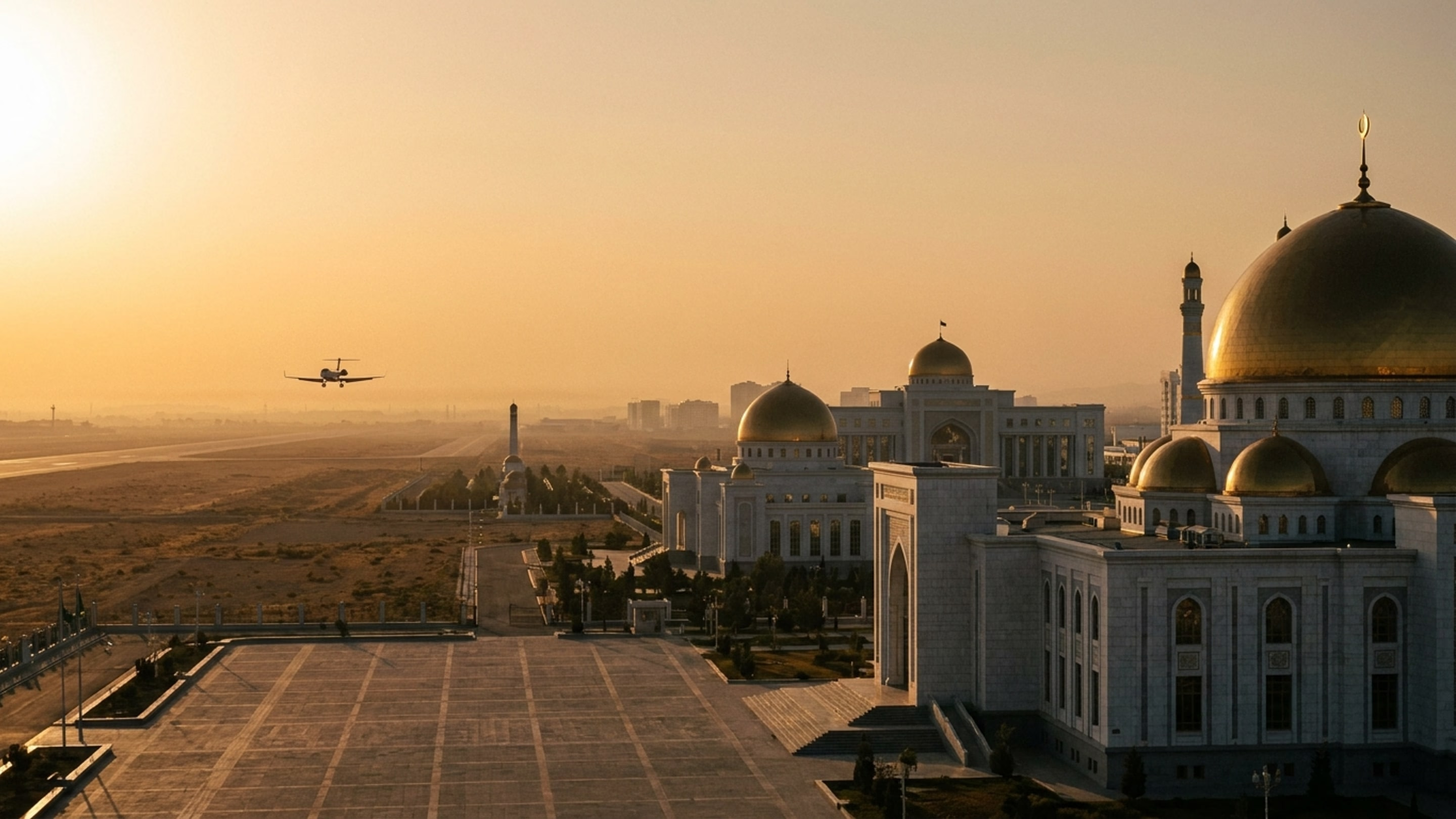
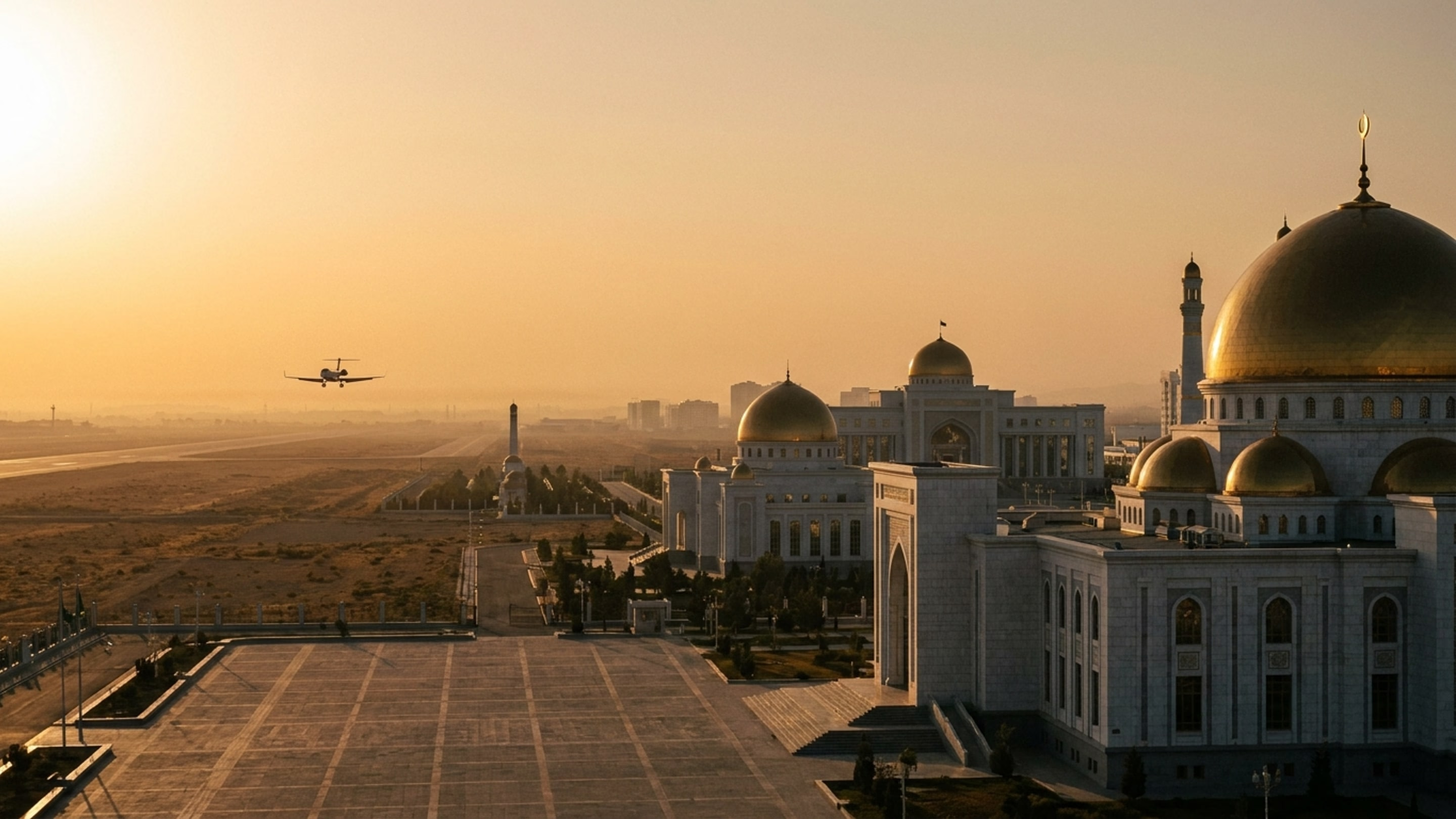
Ashgabat sits at the heart of Turkmenistan's hydrocarbon economy, hosting the headquarters of Turkmengaz and Turkmennebit alongside a dense concentration of foreign energy company liaison offices. The city functions as the nerve center for bilateral negotiations over gas pipeline projects connecting Central Asia to Europe and China, making it a recurring destination for C-suite delegations, diplomatic envoys, and government contractors. Private aviation demand is driven almost entirely by the energy sector, with seasonal spikes tied to major state visits and the Asian Indoor and Martial Arts Games legacy infrastructure.
Ashgabat International Airport (IATA: ASB, ICAO:
UTAA) was rebuilt and expanded into one of the most architecturally distinctive terminals in Central Asia, shaped to resemble a flying falcon — a symbol of Turkmen national identity. The airport operates under strict state authority; all ground handling is managed by Turkmenistan Airlines' ground services division, and no independent Western FBO network operates on the apron. Foreign business aviation operators must obtain overflight and landing permits well in advance, typically through a locally accredited handling agent. Permit lead times of 5–10 working days are standard, and last-minute requests are rarely accommodated.
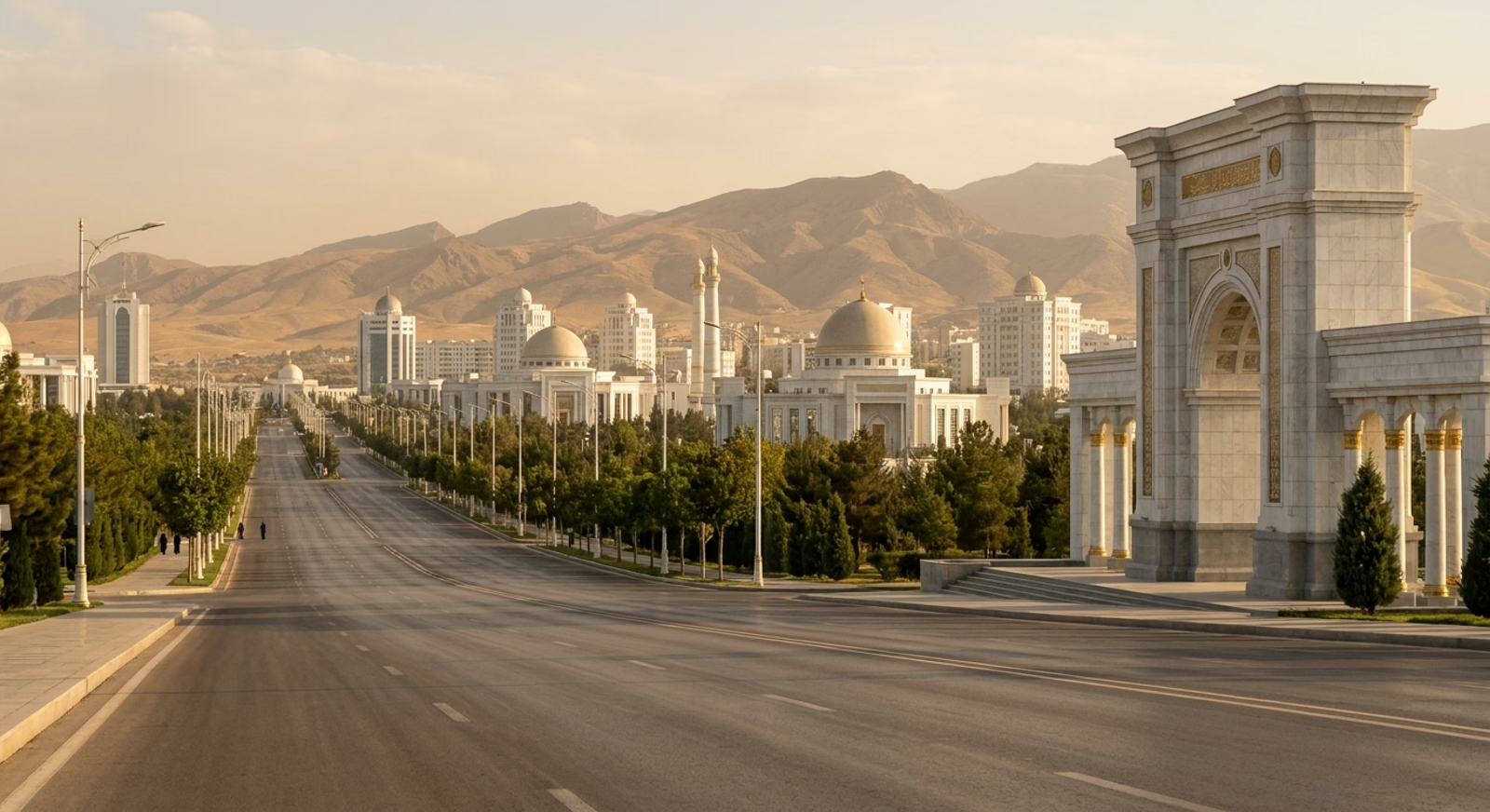
Transfer from ASB to the city center covers approximately 9 km, achievable in 15–20 minutes by road via the multi-lane Archabil Highway. The city's urban fabric is dominated by white marble government buildings and manicured boulevards — a reflection of state investment rather than organic commercial growth. Luxury accommodation is concentrated in a handful of five-star properties catering to diplomatic and corporate visitors. Operators routing through Ashgabat on longer missions toward
Dubai (DXB) or
Turkey should factor in extended permit timelines and restricted fuel uplift options.