Private Jet Charter
Private Jet Seoul to Osaka
Plan a private flight from Seoul to Osaka over about 836 km, with a modelled time of roughly 1h 32min. This page compares aircraft categories, Gimpo International Airport and Osaka Kansai International, operational constraints and the estimation method before a live operator quote.
- ARGUS Certified
- No Commitment
- Instant Quotes
Departure
Destination
Date
Time
Passengers

Written by Sophie Marchant · Senior Business Aviation Editor · 9+ years aviation experience
Reviewed by Thomas Werner · Aviation Operations Reviewer
Last updated
Transparent Pricing
Seoul to Osaka Private Jet Prices
Compare executive jet and business jet charter options for this route. All prices include fuel, crew, and standard handling fees.
Light Jet
4-7 passengers • 2,500 km range
Estimated one-way price
e.g. Citation CJ3, Phenom 300, Learjet 45
- WiFi Available
- Lavatory
- Refreshments
Midsize Jet
7-9 passengers • 4,500 km range
Estimated one-way price
e.g. Citation XLS, Hawker 800, Learjet 60
- WiFi
- Full Galley
- Stand-up Cabin
- Lavatory
Heavy Jet
10-16 passengers • 7,000 km range
Estimated one-way price
e.g. Challenger 605, Gulfstream G450, Legacy 650
- WiFi
- Full Galley
- Bedroom Option
- Shower Available
Ultra Long Range
12-19 passengers • 12,000+ km range
Estimated one-way price
e.g. Gulfstream G650, Global 7500, Falcon 8X
- WiFi
- Multiple Cabins
- Master Suite
- Full Kitchen
Prices shown are estimates based on typical market rates. Final pricing may vary depending on aircraft availability, specific dates, and additional services. Contact us for an exact quote tailored to your requirements.
Browse our complete fleetAccepted Payment Methods
VAT not applicable on international charter flights • All currencies accepted
Both directions covered
Private jet Seoul and Osaka
This canonical route page covers private jet charter in both directions, so you can compare the airports, flight details and quote options for Seoul to Osaka and the return journey.
Primary direction
Seoul → Osaka
Seoul
Gimpo International Airport (RKSS)
Osaka
Osaka Kansai International (RJOO)
Plan a private flight from Seoul to Osaka over about 836 km, with a modelled time of roughly 1h 32min. This page compares aircraft categories, Gimpo International Airport and Osaka Kansai International, operational constraints and the estimation method before a live operator quote.
Flight time
1h 32min
Distance
836 km
From
€8,500
Return direction
Osaka → Seoul
Osaka
Osaka Kansai International (RJOO)
Seoul
Incheon International Airport (RKSI)
Plan a private flight from Osaka to Seoul over about 860 km, with a modelled time of roughly 1h 34min. This page compares aircraft categories, Osaka Kansai International and Incheon International Airport, operational constraints and the estimation method before a live operator quote.
Flight time
1h 34min
Distance
836 km
From
€8,500
Why Fly Private?
Private Jet vs. Commercial Flight
See exactly how flying private from Seoul to Osaka compares to commercial airlines.
Time Saved Per Trip
3h 10min
Skip the security lines, boarding queues, and baggage claim entirely
36+
Hours saved per year
(12 trips)
5
Full work days recovered
Ready to experience the difference?
View Pricing OptionsRoute Information
Seoul & Osaka Airport Information
Private jet terminals and FBO facilities for your VIP flight between Seoul and Osaka.
Departure
Seoul
South Korea
Arrival
Osaka
Japan
No Fuel Stops Required
This route can be completed non-stop with all jet categories
Flight Path Visualization
Seoul to Osaka Route Map
RKSS → RJOO · 836 km · 1h 32m
Airport Information
Airport Access & Ground Transportation
Private terminals, FBO services, and transportation options
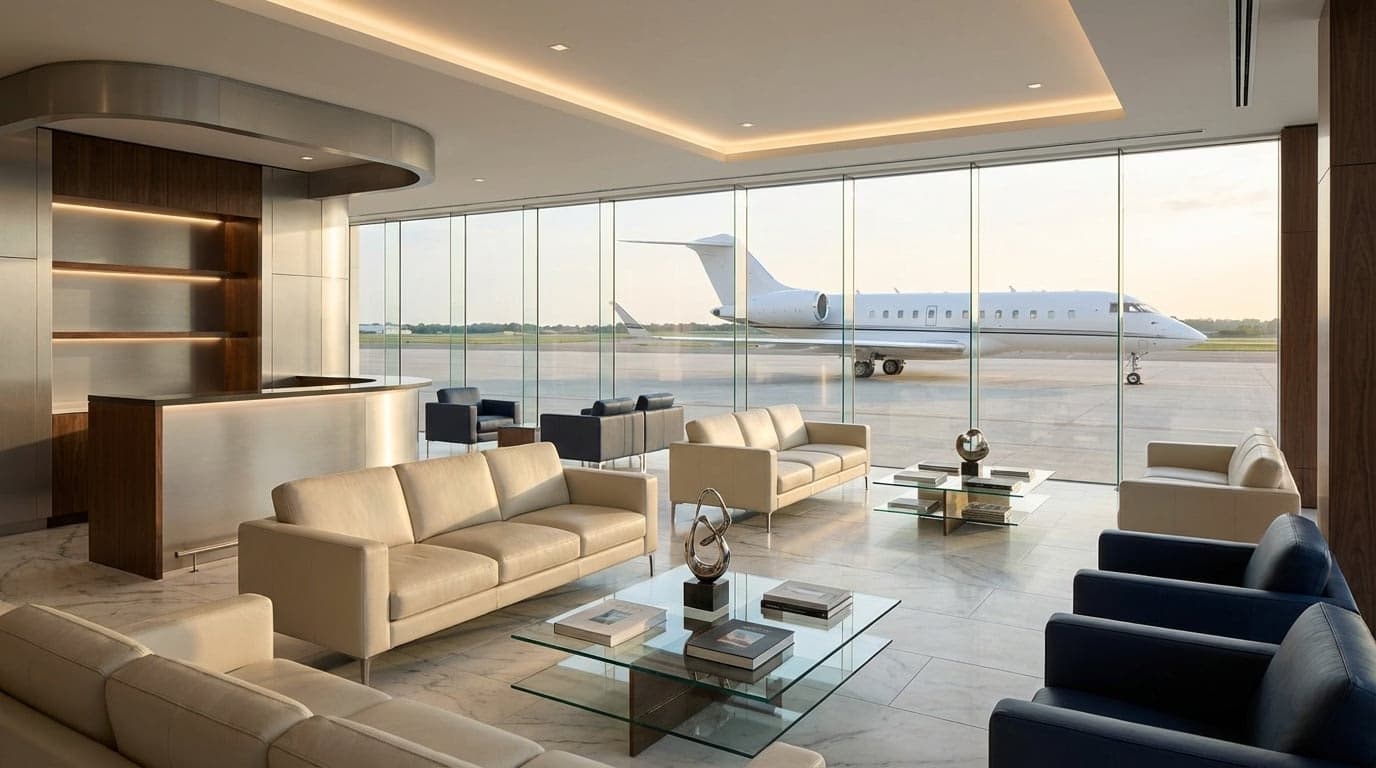
Seoul Airport
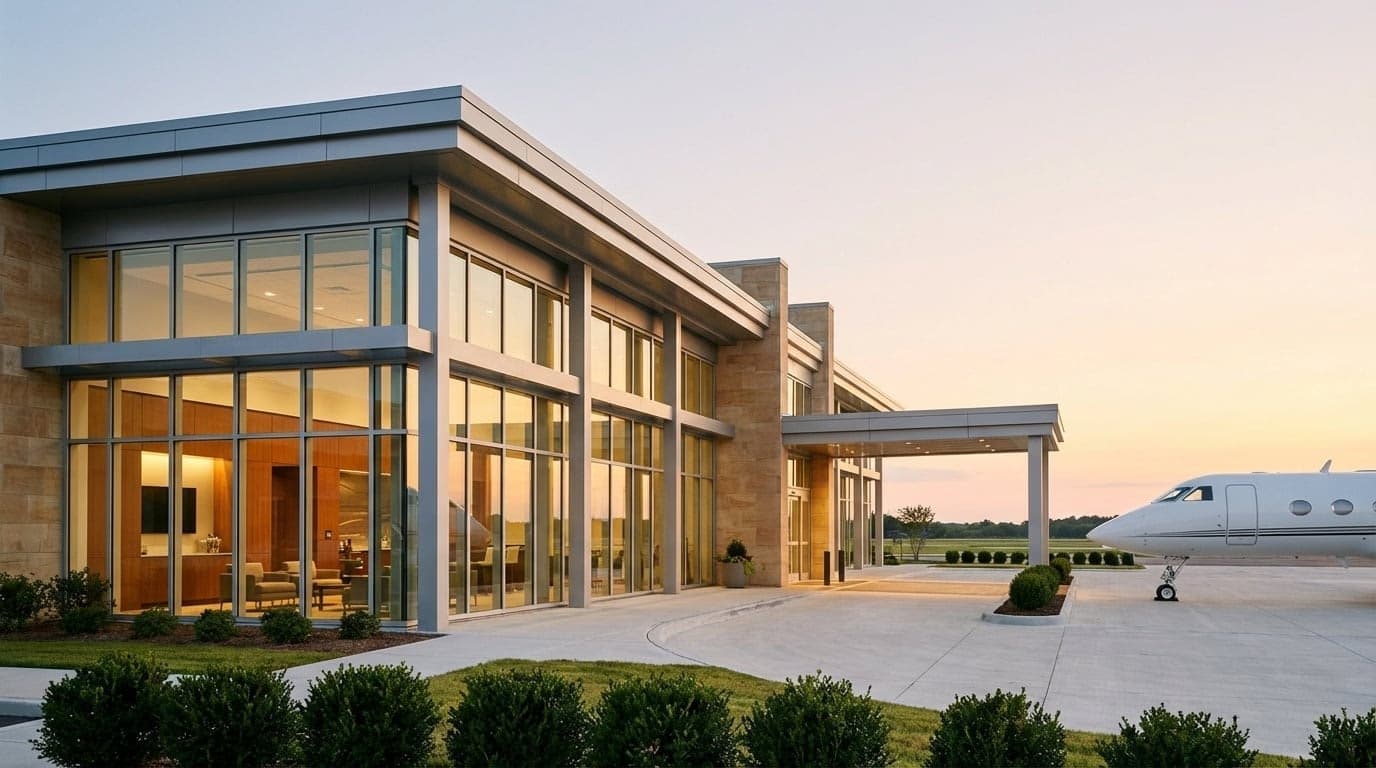
Gimpo International Airport (RKSS)
Getting There
17 km to Seoul city center
Transfer time varies by traffic
Practical Information
Osaka Airport
Osaka Kansai International (RJOO)
Getting There
37 km to Osaka city center
Transfer time varies by traffic
Practical Information
Ready to Book Your Flight?
Get instant quotes from certified operators
Seoul → Osaka
Flying private from Seoul to Osaka: what to expect
Charter a private jet from Seoul to Osaka. 836km direct flight in just 1h 32min. Compare prices from certified operators and book your executive jet today.
Flight Time
1h 32min
Direct flight
Distance
836 km
519 miles
From Price
€8,500
One-way, excl. taxes
Route Statistics
Flight Time
1h 32min
Distance
836 km
From Price
€8,500
For this 836km route, we recommend:
Light Jets
Seoul to Osaka: verified route brief
This international private-flight profile uses a great-circle distance of approximately 836 km and a modelled block time of about 1h 32min. The model is a planning baseline, not a dispatch release: winds, authorised routing, taxi time, traffic, weather, payload and crew constraints can change the actual schedule.
- Departure: Gimpo International Airport (RKSS / GMP)
- Arrival: Osaka Kansai International (RJOO / KIX)
- Reference aircraft: Phenom 300E or a verified aircraft with comparable capability
Airport plan
Departure handling
Gimpo International Airport is the recorded gateway for this page. Business-aviation or FBO handling is recorded. Customs capability is recorded, subject to operating hours and prior notice. The airport is recorded as H24-capable, although slots, noise rules and handling hours may still apply. The listed runway reference is approximately 3200 m.
Arrival handling
Osaka Kansai International is the recorded arrival gateway. Business-aviation or FBO handling is recorded. Customs capability is recorded, subject to operating hours and prior notice. The airport is recorded as H24-capable, but parking, slots and local restrictions may still apply. The listed runway reference is approximately 4000 m.
Aircraft selection
Phenom 300E is a verified reference profile for this distance, not an automatic guarantee for every payload or weather scenario. The final tail must be checked for passenger load, baggage, runway performance, fuel reserves, winds, temperature, alternate-airport requirements and the operator’s approved configuration.
When to choose a larger category
A larger aircraft can add cabin height, baggage capacity, range margin, connectivity and rest facilities. It can also increase positioning, handling and airport restrictions. Upgrade because the mission requires it, not because a maximum seat count appears on a generic specification sheet.
Passenger and baggage reality
Declare skis, golf bags, strollers, instruments, mobility equipment, professional cases, pets and unusually large luggage before the operator confirms the tail. Maximum certified seating is not the same as comfortable capacity, and baggage volume varies between individual aircraft.
Indicative price by aircraft category
These are comparative model estimates based on modelled block time, category hourly rates, fixed fees and a positioning allowance. Taxes, crew overnights, permits, de-icing and requested services may change the final amount. Only a live operator quote confirms the aircraft and price.
Schedule, slots and crew duty
Aircraft availability does not guarantee a usable slot or parking position. Trade fairs, holidays, sporting events and peak weekends can require PPR, coordinated slots, remote parking or repositioning after passenger drop-off. For a return trip, compare the cost and operational resilience of waiting on the ground against two separate positioning sectors.
Changes and substitutions
The contract should explain what happens if the proposed aircraft, airport or time changes. Confirm whether a substitute must be equal or better in category, cabin, baggage capacity and range, and who pays any additional transfer or positioning cost.
Formalities and ground transfer
Passenger names and documents must match the manifest. Passport, visa, customs, immigration, minors, pets and special-goods rules depend on nationality and routing. Confirm the exact FBO address, driver meeting point, recommended reporting time and an operational contact for the day of flight. The closest airport on a map is not always the fastest door-to-door option.
Weather, fuel and diversion planning
Ask the operator to confirm wind assumptions, regulatory reserves and the planned alternates. Fog, heat, crosswind, snow, thunderstorms or a contaminated runway can reduce payload or require a technical stop. A robust quote should explain the diversion airport, ground-transfer plan, decision authority and potential additional cost if Osaka Kansai International becomes unavailable.
Operator and safety checks
Request the legal operator name, the operating certificate, the intended registration, crew composition and any available independent safety assessments. Flyius may arrange the mission as a broker, while the licensed operator remains responsible for operating the flight. Those roles and responsibilities should be clear in the contract.
Booking checklist
- Passenger names, documents, dates and time zones
- Confirmed airports, FBOs, slots and transfer addresses
- Exact aircraft registration or clearly defined substitution standard
- Passenger count, baggage dimensions, pets and catering
- Taxes, handling, positioning, crew expenses and cancellation terms
- Weather and diversion plan, plus operational contact details
Indicative figures are useful for comparing categories. A live operator quote and final flight confirmation remain the source of truth for the actual mission.
Category economics on this sector
The reference profile is Phenom 300E. Recorded estimates are light €8 500, midsize €13 000, heavy €20 000 and ultra-long-range €28 000.
The spread between entry and largest category is about €19 500. That difference should buy tangible value — baggage, cabin height, range, seats or rest — rather than a label alone. The final quote must confirm the registration or at least the cabin and baggage configuration.
Operational capacity at both ends
The recorded runway is 3200 m at departure and 4000 m at arrival. The recorded lengths provide a comfortable structural baseline, subject to conditions and exact-tail performance.
- FBO/handling: departure recorded, arrival recorded.
- Customs: departure available under local conditions, arrival available under local conditions.
- H24: departure recorded as capable, arrival recorded as capable.
The airport elevation gap is about 42 ft. It is not dominant on its own, but remains part of the operating calculation.
What specifically differentiates this itinerary
The RKSS–RJOO pair runs 836 km toward the east, with a modelled time of 1h 32min. Departure uses Gimpo International Airport and arrival uses Osaka Kansai International. This exact pair is more informative than two city names because changing a gateway changes taxi time, positioning, slots, crew availability and the ground transfer.
Several categories can work; cabin, baggage and positioning determine the rational fit.
Scenarios the quote should price
For seoul–osaka, request three written confirmations: nonstop feasibility with the real passenger count, parking at both ends and the cost if the tail must reposition. Customs data is symmetric, but operating hours and notice requirements remain local. The recorded hour profile is comparable at both ends without removing slot and handling restrictions.
Also price the diversion scenario: alternate airport, ground transfer, extra fuel and crew-duty limit. This gives the page a route-specific decision role for RKSS–RJOO instead of generic charter copy.
Seoul
Gimpo International Airport (RKSS)
offers premium FBO facilities for private aviation.
Osaka
Osaka Kansai International (RJOO)
features private terminals with executive lounges.
Need a Return Flight? View pricing for the return route from Osaka to Seoul Round-trip bookings often receive preferential pricing.
Flying between South Korea and Japan.
Questions & Answers
Frequently Asked Questions
Everything you need to know about this route
How long is the private jet flight from Seoul to Osaka?
What does it cost to charter a private jet Seoul to Osaka?
Which private jet is best for Seoul to Osaka flights?
Are there customs procedures for Seoul to Osaka private flights?
Can I find empty leg deals on Seoul to Osaka flights?
Have more questions?
Ready to fly from Seoul to Osaka?
Get your personalized quote for this route. Our team will respond within 2 hours with transparent pricing.
Similar Routes
Similar Routes
Explore other destinations from Seoul and to Osaka