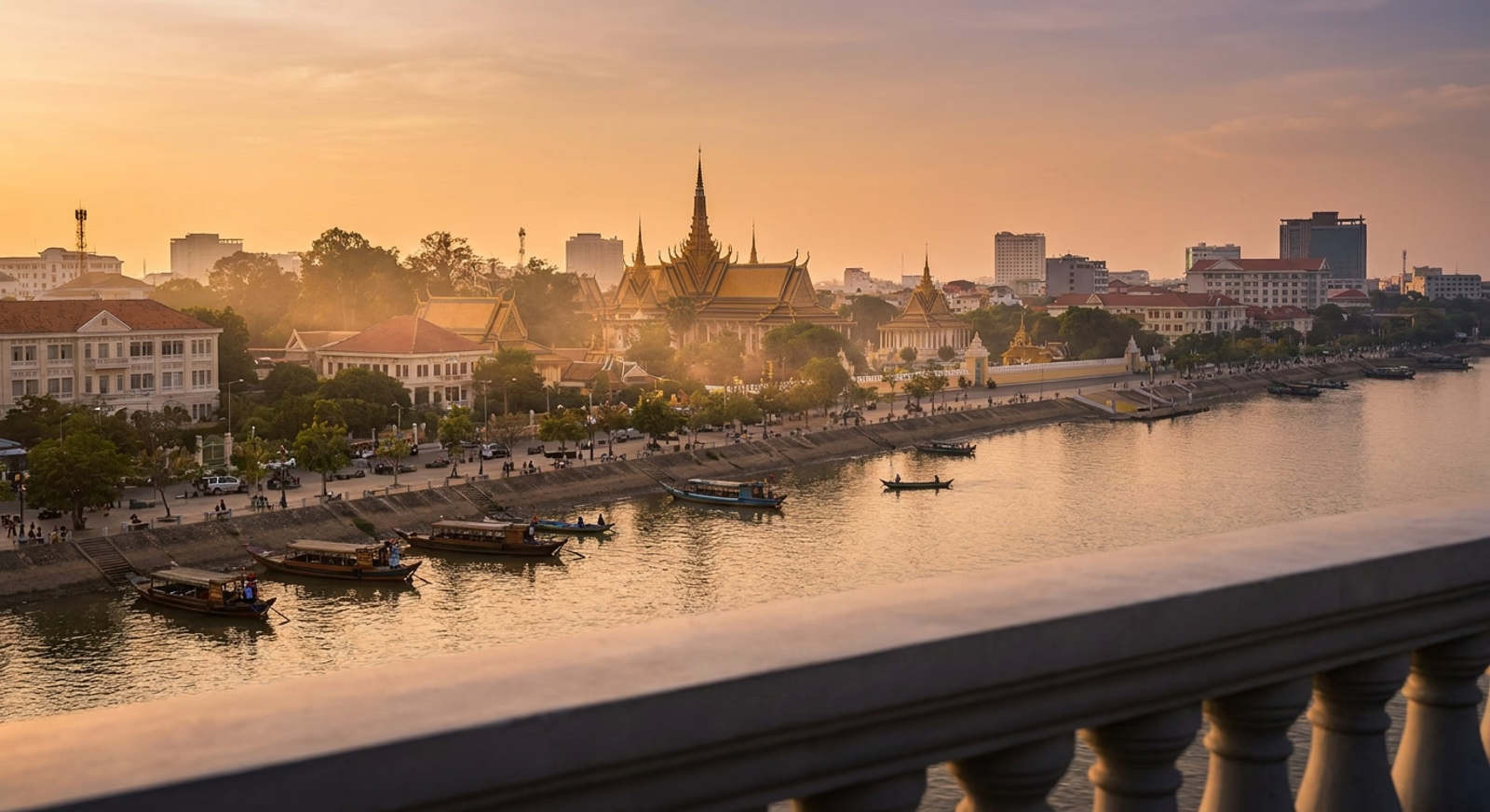
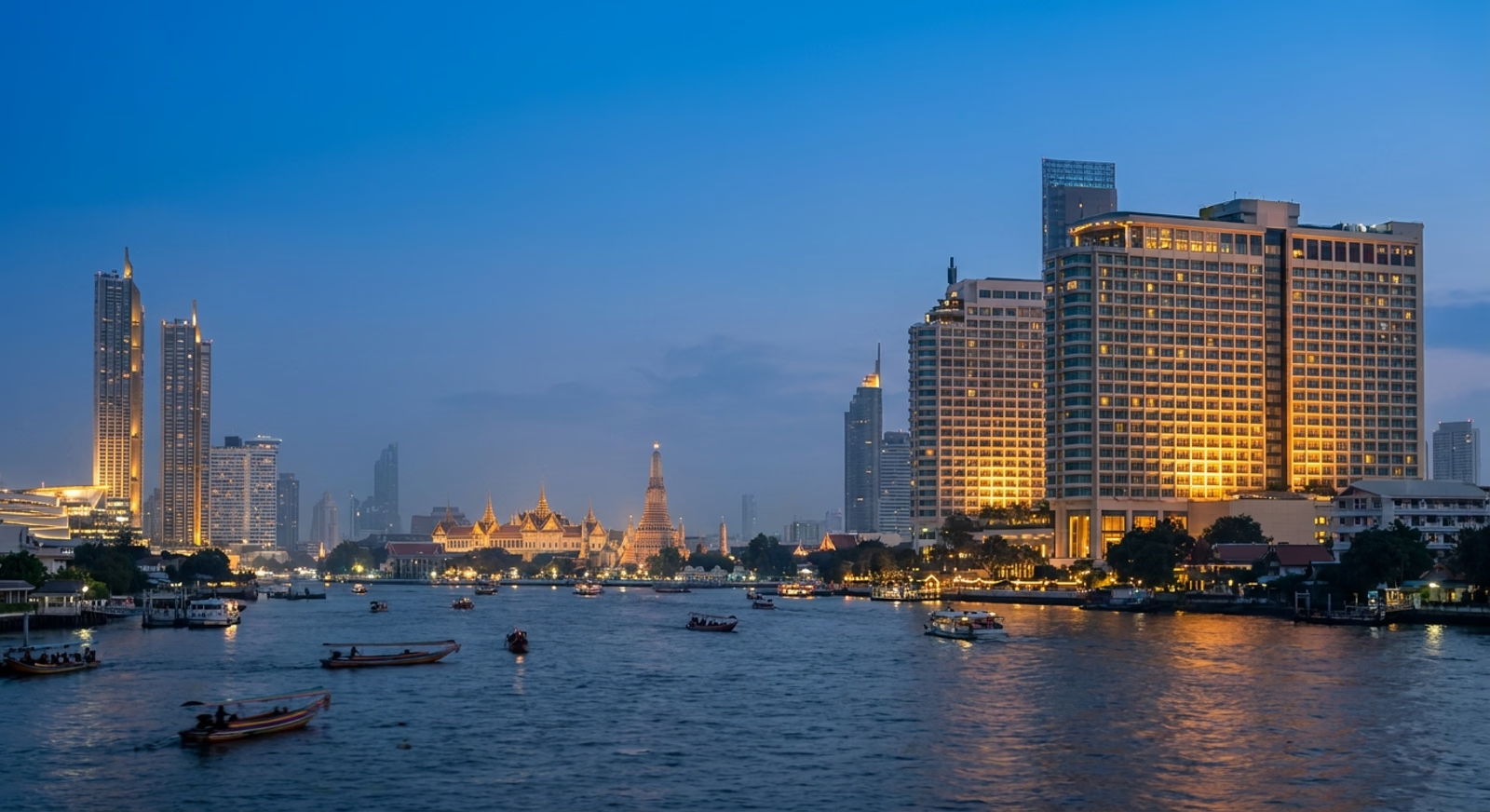
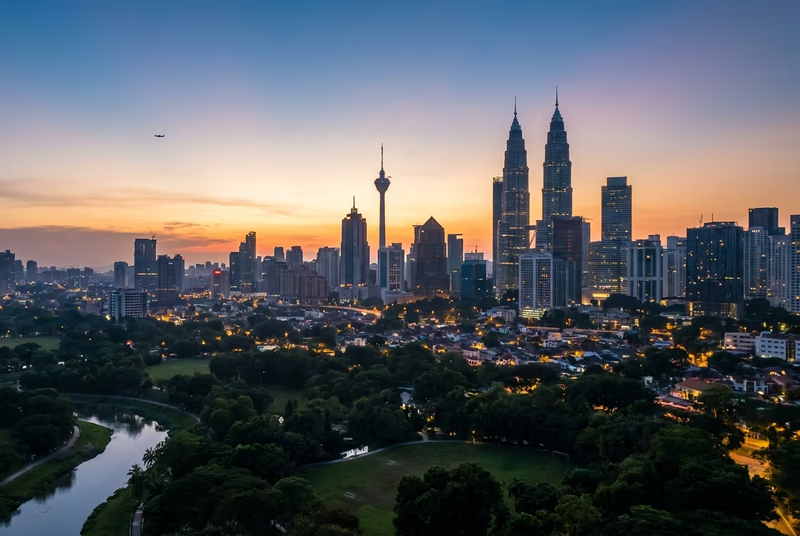
Phnom Penh, Cambodia's capital of roughly 2.3 million people, has evolved from a post-conflict reconstruction story into one of Southeast Asia's more dynamic frontier economies. The city hosts the headquarters of major garment and footwear manufacturers, a growing banking sector anchored on Norodom Boulevard, and a significant diplomatic presence serviced by the NGO and multilateral community. Real estate development—particularly in the BKK1 and Tonle Bassac districts—has attracted regional investors from South Korea, China, and Japan, generating consistent business aviation traffic from Bangkok, Singapore, and Guangzhou.
Phnom Penh International Airport (IATA: PNH, ICAO:
VDPP), commonly called Pochentong, operates from a single runway (06/24) measuring approximately 3,000 meters, fully capable of handling midsize and super-midsize jets. The airport underwent infrastructure upgrades through the 2010s under Cambodia Airports (VINCI Airports). General aviation operations are handled through dedicated apron space adjacent to the main terminal, with Cambodia Airports' ground handling arm and select independent handlers managing private movements. Customs and immigration operate on an arrival-visa-on-arrival basis, streamlining inbound clearance for most nationalities.
Transfer from ramp to the central business district takes 15–25 minutes depending on traffic, with Norodom Boulevard and Monivong Boulevard being the primary arteries. For ultra-short regional hops—Siem Reap, Ho Chi Minh City, Bangkok Don Mueang—Phnom Penh serves as an efficient hub node. Operators positioning aircraft into Cambodia should note PPR requirements apply for private flights and that advance coordination with local handlers is strongly advised given limited dedicated GA infrastructure relative to regional peers.