The practical etiquette guide for private charter: how to behave at the FBO and onboard, respect crew authority, protect privacy and handle tipping.
Private jet etiquette is less about luxury rituals than about four responsibilities: arrive as instructed, give accurate information, respect the captain’s authority and protect the privacy of everyone around you. The aircraft is hired for the passenger group, but it remains a safety-critical workplace operated under rules that the customer cannot override.
Quick answer: the essential rules
- Arrive at the FBO at the time in the final briefing—not whenever convenient.
- Use every passenger’s legal name and declare all luggage, pets and special items in advance.
- Follow the captain’s instructions on boarding, seats, seat belts, baggage and alcohol.
- Ask before photographing other passengers, crew, aircraft registrations or neighbouring flights.
- Keep confidential conversations appropriate to the people actually in the cabin.
- Request catering, accessibility and cabin preferences before departure.
- Treat tipping as optional and country-dependent, not as a compulsory percentage.
Passenger conduct
The five rules that prevent most problems
Good etiquette is operational: accurate information, punctuality, privacy and respect for crew authority.
| Topic | Do | Avoid |
|---|---|---|
| Arrival | ✓Use the reporting time in the final itinerary. | Do not assume every FBO supports a 15-minute arrival. |
| Manifest | ✓Provide legal names, documents, baggage and pets early. | Do not add passengers or large items at the aircraft. |
| Crew authority | ✓Follow the captain on seating, alcohol and devices. | Do not pressure the crew to override safety or policy. |
| Privacy | ✓Ask before photographing people, registrations or other aircraft. | Do not post another passenger’s itinerary or location. |
| Tipping | ✓Treat it as optional and country-dependent. | Do not use a compulsory percentage rule. |
Before the flight: good etiquette starts with accurate information
The most disruptive first-time mistake is not a social error; it is incomplete trip information. An undeclared ski bag, large dog, wheelchair, musical instrument or additional passenger can affect aircraft suitability, weight and balance, airport handling or legal documentation.
Send the broker or operator:
- legal passenger names and documents;
- accurate luggage count and dimensions;
- pets and their paperwork;
- allergies and catering requirements;
- reduced-mobility or medical needs;
- a reachable mobile number;
- any confidentiality or ground-security requirements.
This allows the crew and handler to prepare rather than improvise at the aircraft.
Arrival timing at the FBO
Private passengers often arrive 15–30 minutes before a straightforward departure, but that is not a universal entitlement. International border checks, pets, special assistance, airport procedures or a complex itinerary can require more time.
Follow the reporting time in the final briefing. Arriving late can affect:
- coordinated departure slots;
- crew duty limits;
- destination curfews;
- parking and handling;
- the aircraft’s next flight.
If delayed, call operations immediately. Do not assume the aircraft can wait without cost or consequence.
FBO privacy and conduct
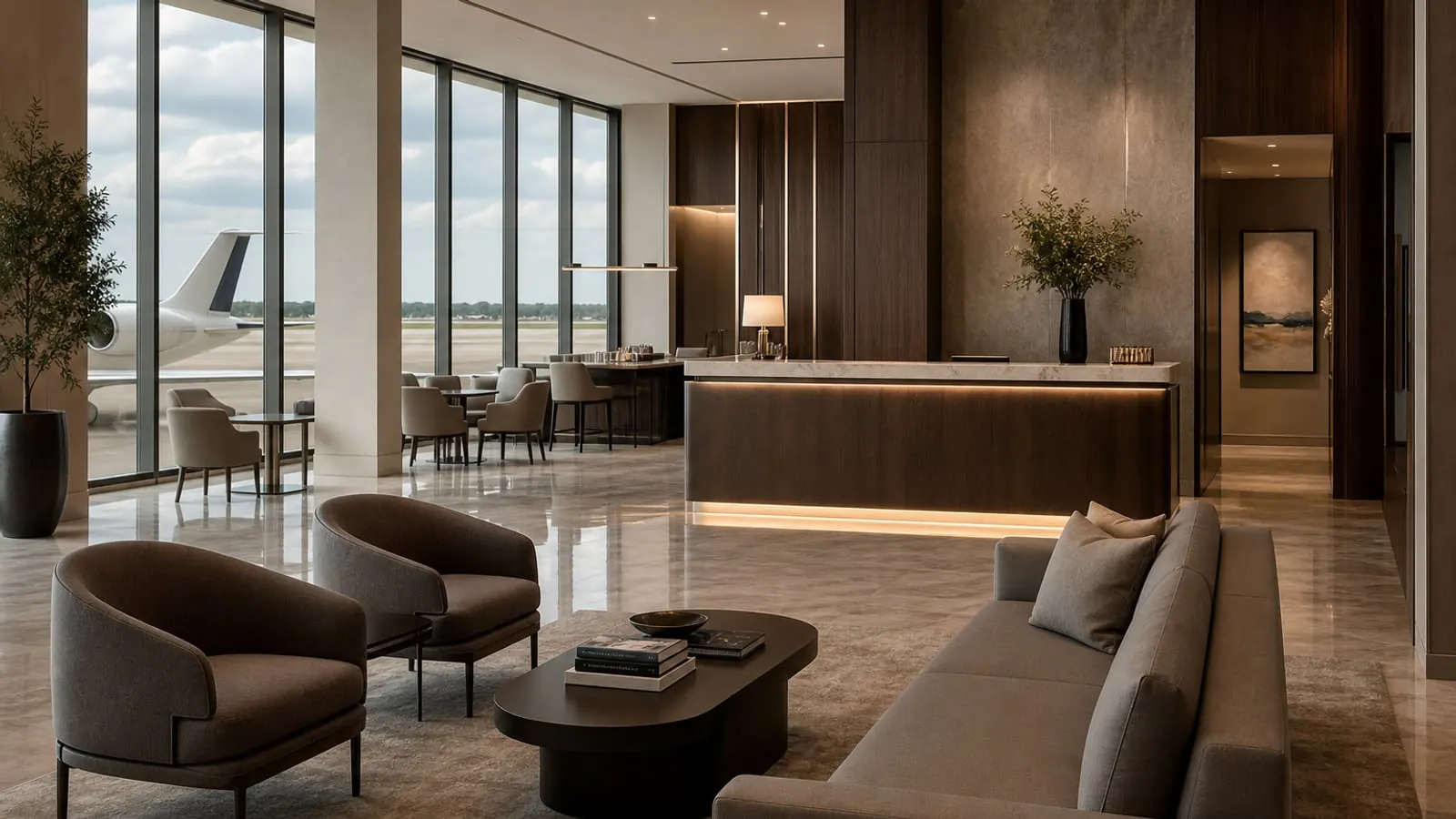
An FBO may be shared by passengers, crews and staff from several flights. Keep voices and calls discreet, particularly in lounges used for business discussions.
Do not photograph or identify another traveller without permission. Avoid capturing neighbouring aircraft registrations, passengers or security-sensitive ramp areas. Some airports restrict airside photography entirely.
For the passenger process, read what is an FBO?.
Meeting the crew
A normal introduction is enough. Mention anything operationally relevant: nervous flyer, medical issue, tight arrival requirement or comfort concern. The captain does not need a social performance; the crew needs accurate information and room to complete pre-flight tasks.
The captain has final authority over whether the flight operates, who boards, how luggage is loaded and what safety restrictions apply. Payment for the charter does not transfer command of the aircraft to the customer.
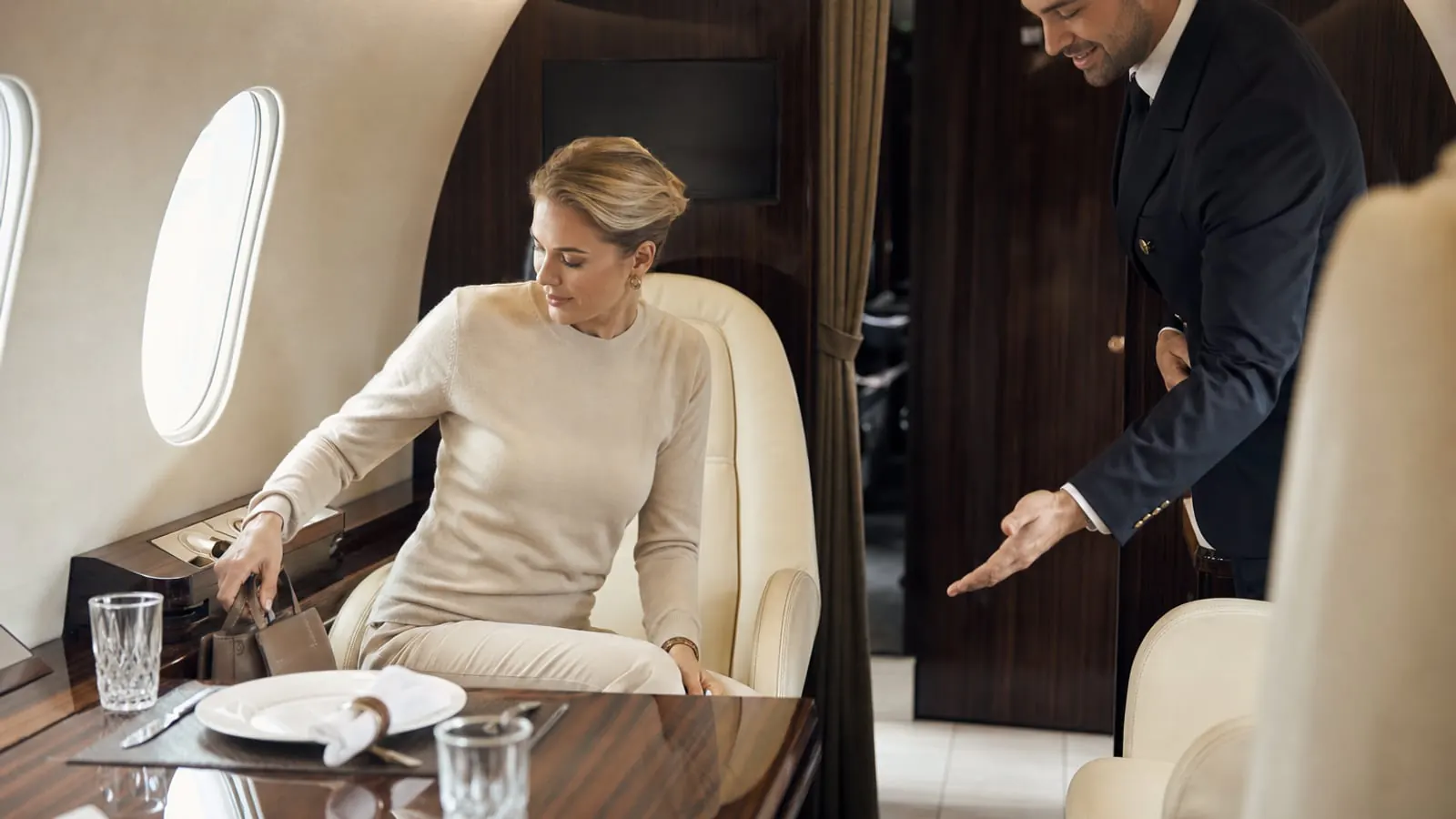
Boarding and seating
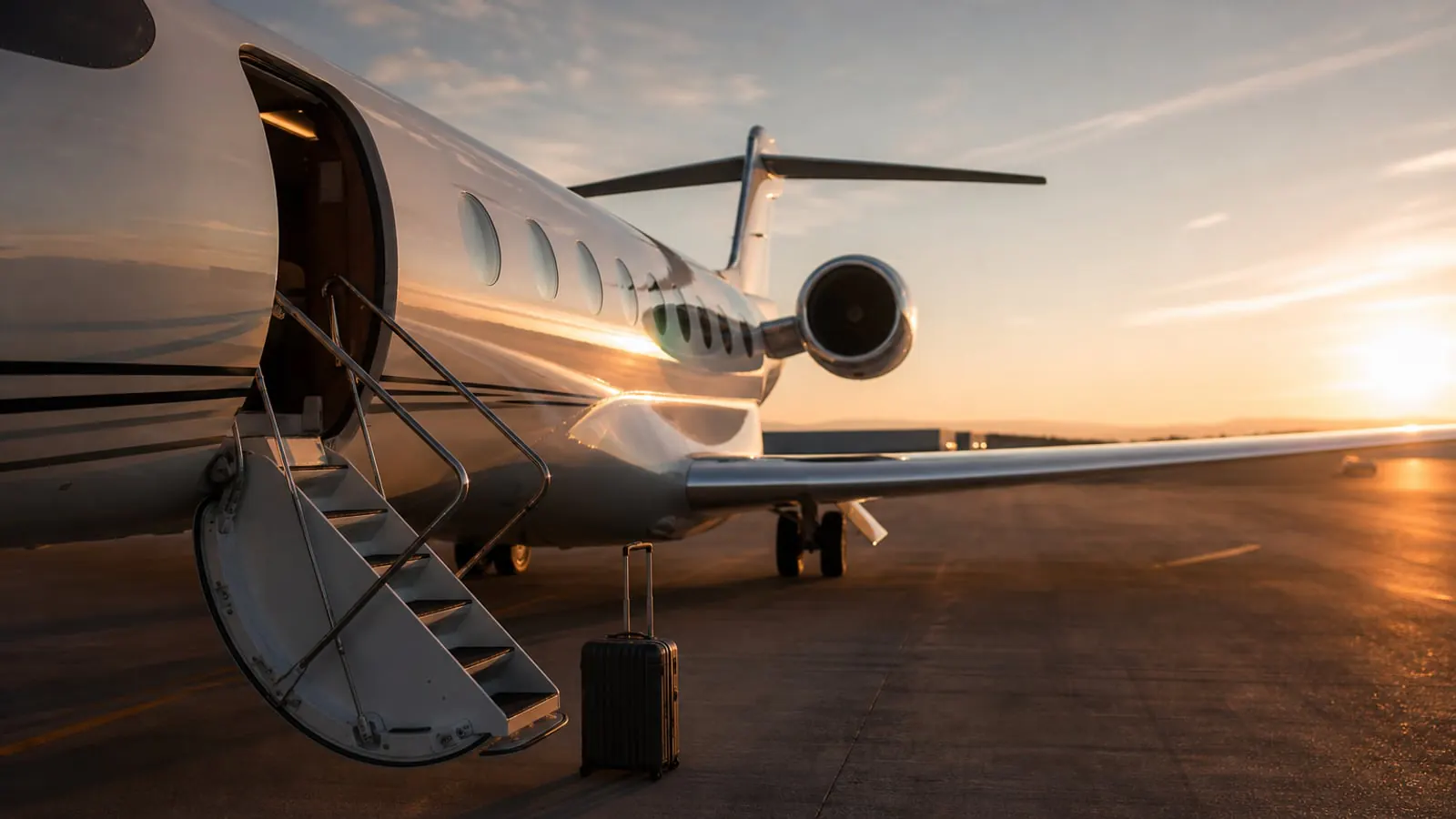
Wait for the handler or crew to invite boarding. Do not load or move bags yourself unless asked. Their position can affect the aircraft’s centre of gravity.
Seating is often flexible, but the crew may assign seats for safety or balance. Ask before changing once the cabin is prepared. Keep the seat belt fastened whenever seated, even when no illuminated sign is present.
There is no universal rule that the lead passenger must occupy a particular seat. A host can offer preferred seating to an older guest, a nervous flyer, a child’s carer or someone who needs easier access.
Phones, laptops and connectivity
Device rules depend on the aircraft, installed systems and crew instructions. Do not assume phones may remain connected during every phase. Follow the safety briefing and use flight mode when requested.
Wi-Fi quality varies. Confirm mission-critical connectivity before booking, not after boarding. Use headphones for media and consider who can hear confidential calls; a private cabin is private from the public, not necessarily from every passenger in your group.
Catering and allergies
Order important catering in advance and disclose severe allergies. The cabin and galley may not support restaurant-style preparation, especially on light jets.
Treat the crew respectfully when a last-minute item is unavailable. The correct time for a specific wine, child meal, religious requirement or medical diet is during trip coordination.
Alcohol and passenger behaviour
The captain and crew can restrict service or refuse carriage when behaviour threatens safety. A chartered cabin is not exempt from aviation law or operator policy.
Moderate consumption may be permitted, but intoxication can lead to delay, diversion, refusal to board, cleaning charges or further consequences. Never pressure crew to serve alcohol against their judgement.
Children
Parents or guardians remain responsible for children. Confirm approved child-restraint requirements before the flight. Children should not move through the cabin during taxi, take-off, landing or turbulence.
Bring familiar items and appropriate food, but avoid assuming every aircraft has a microwave, changing area or large lavatory.
Pets
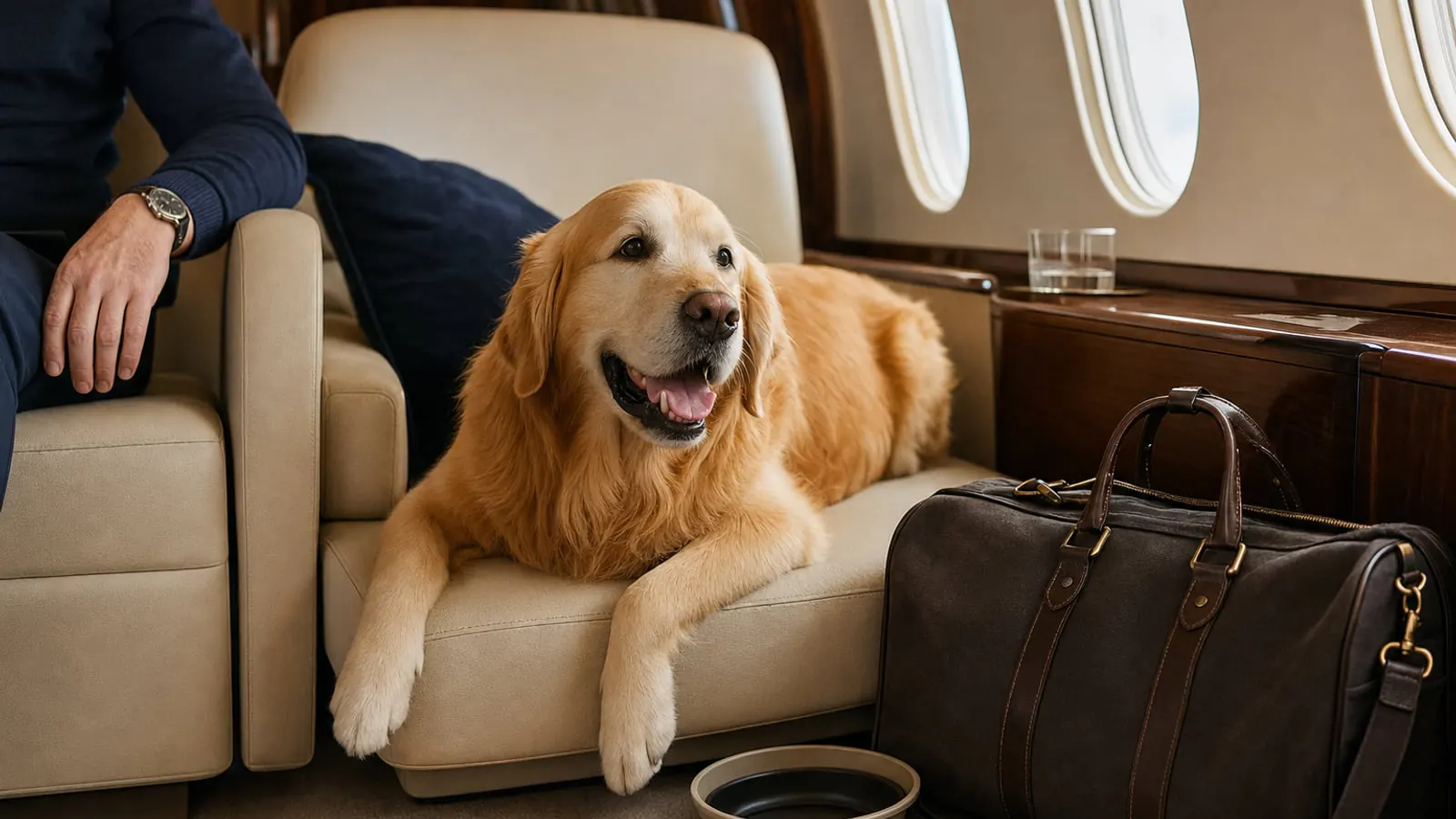
Pets often travel in the cabin subject to operator approval and border rules. Tell the operator the species, breed, weight and number in advance. Bring a lead or restraint solution, absorbent protection and cleaning materials as advised.
Do not allow an animal to obstruct exits, interfere with crew or move unsecured during critical flight phases. See flying private with pets.
Shoes, clothing and cabin care
There is no formal dress code. Dress for the destination and the aircraft steps. Avoid footwear or luggage hardware likely to damage delicate cabin finishes. Ask before placing bags, skis or sharp objects on seats.
Leave the cabin reasonably orderly. The customer is not expected to clean, but avoid unnecessary spills, loose rubbish and damage. Special cleaning may be charged under the contract.
Tipping
There is no universal private-aviation tipping standard. Practices differ between Europe, North America, the Middle East and individual operators.
- Tipping is generally optional.
- Do not treat a fixed percentage of the charter price as normal.
- A cabin attendant on a long service-intensive flight may be tipped at the passenger’s discretion.
- Pilots may accept or decline tips depending on company policy.
- A positive review or message identifying excellent staff can be valuable.
If in doubt, ask the broker discreetly before departure. Never make the crew uncomfortable by insisting.
When travelling as someone else’s guest
The person who booked the aircraft controls many preferences, but every passenger still follows crew instructions. As a guest:
- do not invite an additional passenger without approval;
- do not alter catering or ground transport without the organiser;
- do not post the itinerary or other guests publicly;
- avoid asking the host what the flight cost in front of the group;
- arrive on time and with correct documents.
After landing
Remain seated until the crew signals. Collect personal items, but allow handlers to unload the hold. Follow customs and immigration instructions rather than walking directly toward a vehicle.
If service was excellent, thank the crew without delaying their post-flight duties. Report damage, lost property or service issues through the broker or operator promptly and factually.
Frequent etiquette mistakes
- Treating “private” as “unregulated.”
- Arriving late without contacting operations.
- Adding passengers or luggage at the last minute.
- Entering or opening the cockpit without invitation.
- Ignoring seat-belt instructions.
- Photographing other passengers or aircraft without permission.
- Assuming Wi-Fi, hot food or alcohol are guaranteed.
- Pressuring crew to ignore safety or operator policy.
- Leaving pet or cabin damage unreported.
Frequently asked questions
What should I wear on a private jet?
There is no standard dress code. Smart casual is common, but practical clothing and safe footwear matter more.
Should I tip the pilots?
It is optional and depends on region and company policy. Ask the broker if unsure; do not use a compulsory percentage.
Can I use my phone throughout the flight?
Only as permitted by the crew and aircraft systems. Follow device and flight-mode instructions.
Can I choose any seat?
Often, but the crew may allocate seats for weight, balance or safety.
Can I bring my own alcohol?
Only with operator approval and subject to crew control. The captain can restrict consumption.
Methodology
This guide describes professional passenger conduct on on-demand charter. Operator policy, applicable law and captain instructions always take priority. For the full journey, read first private jet flight.
Looking to book a private jet?
Get a Free QuoteWritten by
Flyius
Flyius publishes these charter guides. A firm price is confirmed only after an operator quote.